
Weekly itinerary from Akureyri (Seyðisfjörður)
The itinerary is suitable for those who fly into Akureyri or arrive by ferry to Seyðisfjörður. Especially suitable for those who have already been to Iceland before.
Main attractions
Goðafoss · Seyðisfjörður · Hafnarhólmi · Bustarfell · Hengifoss · Stuðlagil · Dettifoss · Ásbyrgi · Dimmuborgir · Hverfjall · Grjótagjá
Additional attractions
Buðarárfoss · Vestdalsfossar · Dvergasteinn · Gufufoss · Bjólfur · Vatnsskarð viewpoint · Tvísöngur · Stapavík · Geirsstaðakirkja · Ljósastapi · Gljúfursárfoss · Lambafoss · Ljósáfoss · Lítlanesfoss · Steinbogi · Rjúkandi · Selfoss · Hringsbjarg · Skeiðsöxl · Mývatn · Skútustaðagígar · Lindarbakki
Possible additional attractions
Ker · Strútsfoss · Stórurð
In this itinerary we will explore the northeastern part of Iceland, from Akureyri to the east and from Seyðisfjörður to the north. It is therefore mainly suitable for those of you who fly into Akureyri or arrive by ferry to Seyðisfjörður. And by principle also for those who have already been to Iceland before. Our sample itinerary starts in the main northern city – Akureyri. If you arrive in Seyðisfjörður, you can easily adjust it.
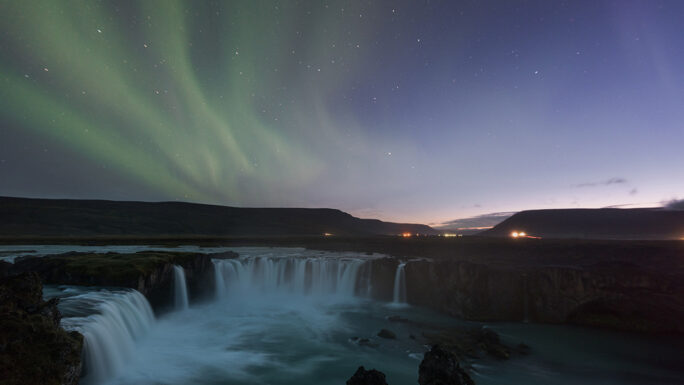
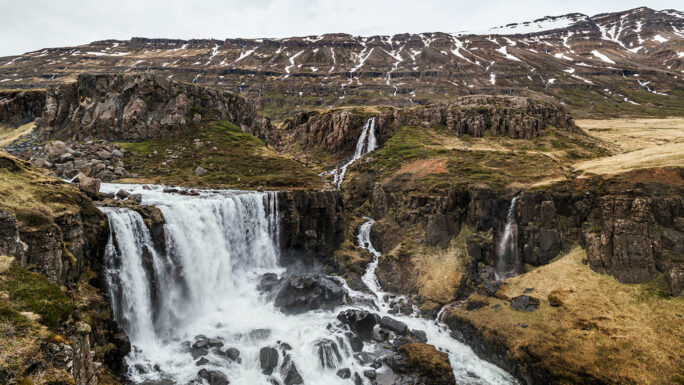
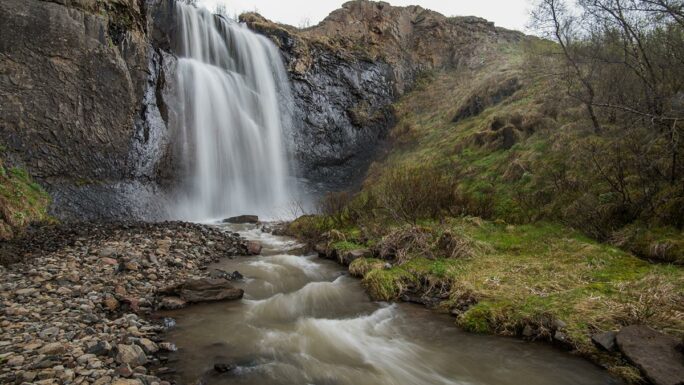
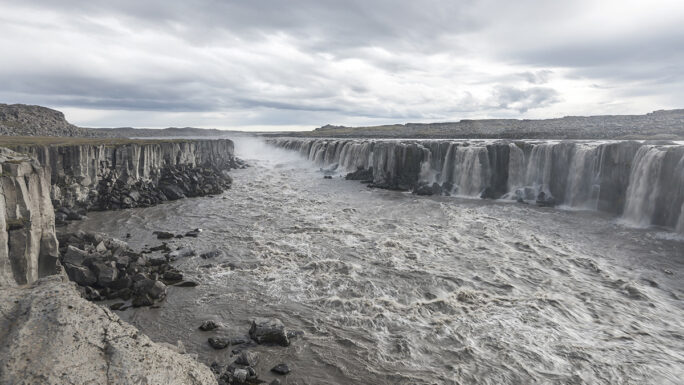
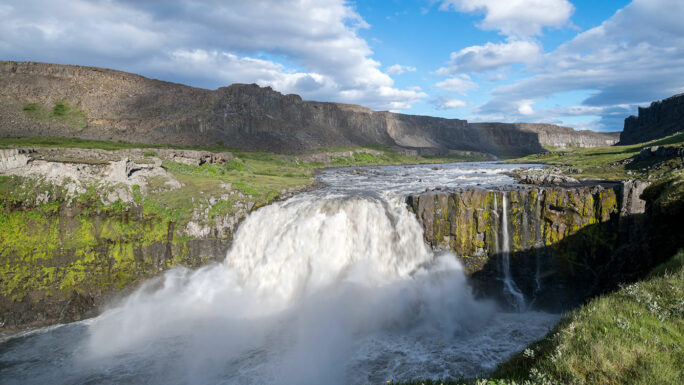
From Akureyri we head east and the first beautiful thing we encounter is the waterfall Goðafoss. One of those places that at first glance seems almost unremarkable, but after a while you realize you’ve already been here for two hours and that the information saying that Goðafoss is one of the most beautiful waterfalls in Iceland is probably true.
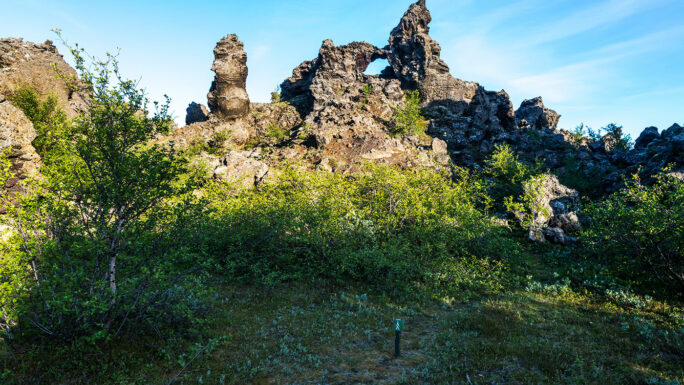
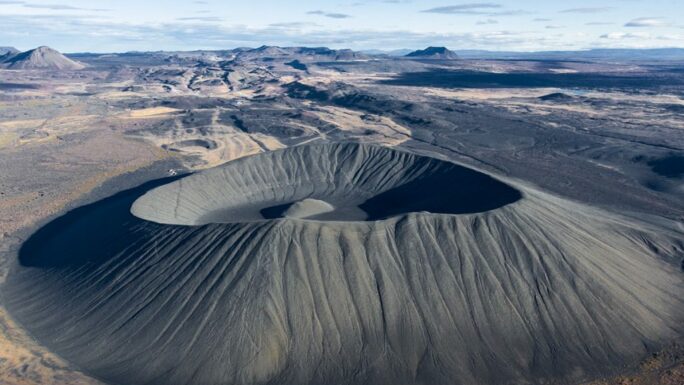
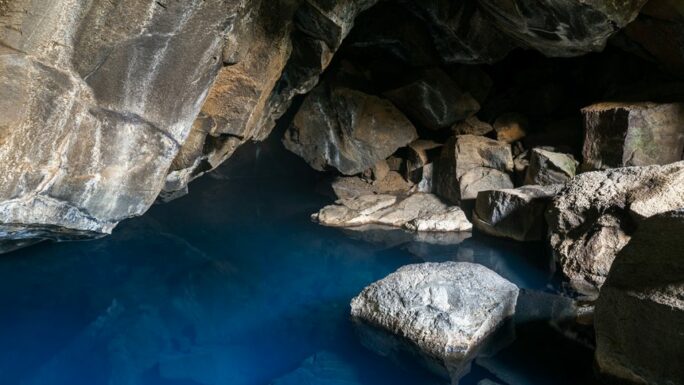
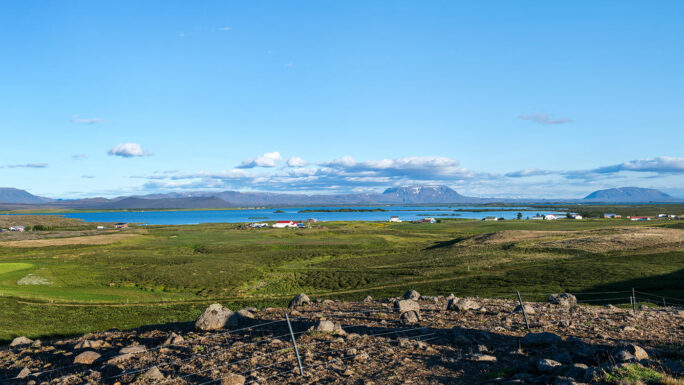
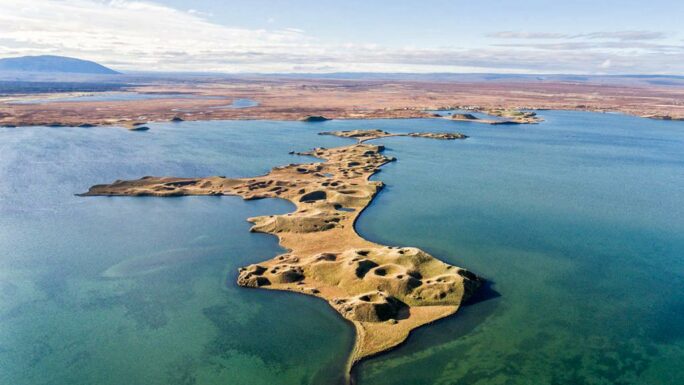
We continue east and then arrive at lake Mývatn. The main natural attractions around this rather shallow lake are the pseudocraters Skútustaðagígar, the lava field Dimmuborgir, the crater Hverfjall, and of course the cave Grjótagjá. And since you are reading this, be aware that Lake Mývatn is home to countless extremely annoying flies. Really. Be prepared. Just so you can’t say I didn’t warn you.
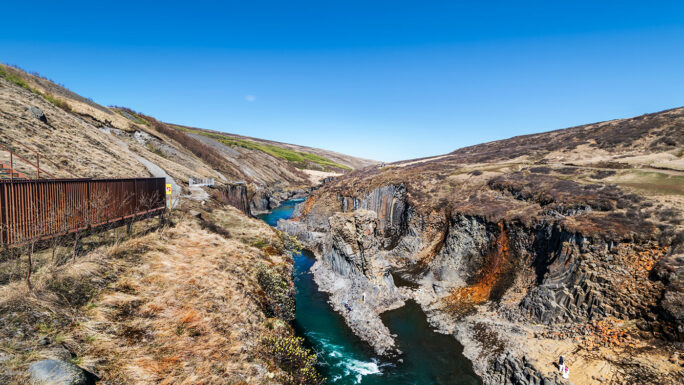
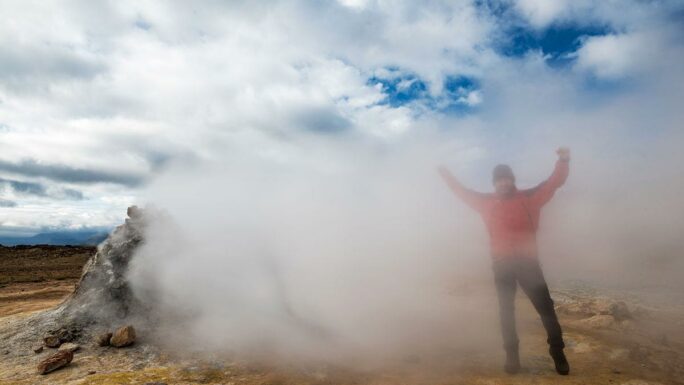
Next we head again east along road no. 1, where just beyond the hill we reach the geothermal area Hverir. You probably won’t stay here very long, but it will definitely impress you. After a somewhat longer drive we head inland to the canyon Stuðlagil. You can access it from the northern side from the campsite via stairs or from the southern side with about a half-hour walk. The northern side is easy to access, but apart from views of Stuðlagil from above it doesn’t offer much else. For the best experience definitely visit the northern side; in that case you must go from the parking lot, and just nearby there is the waterfall Stuðlafoss, and you will enjoy Stuðlagil canyon here from
very close proximity.
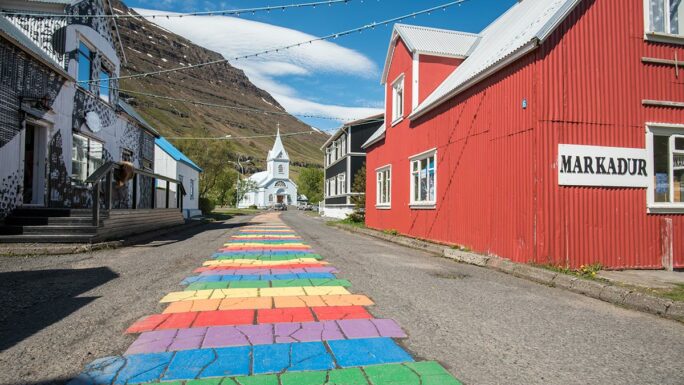
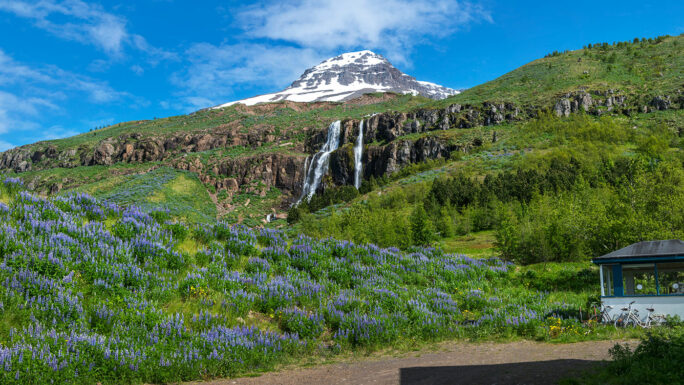
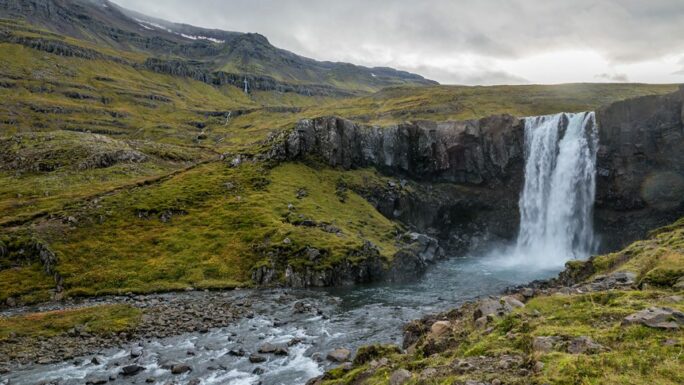
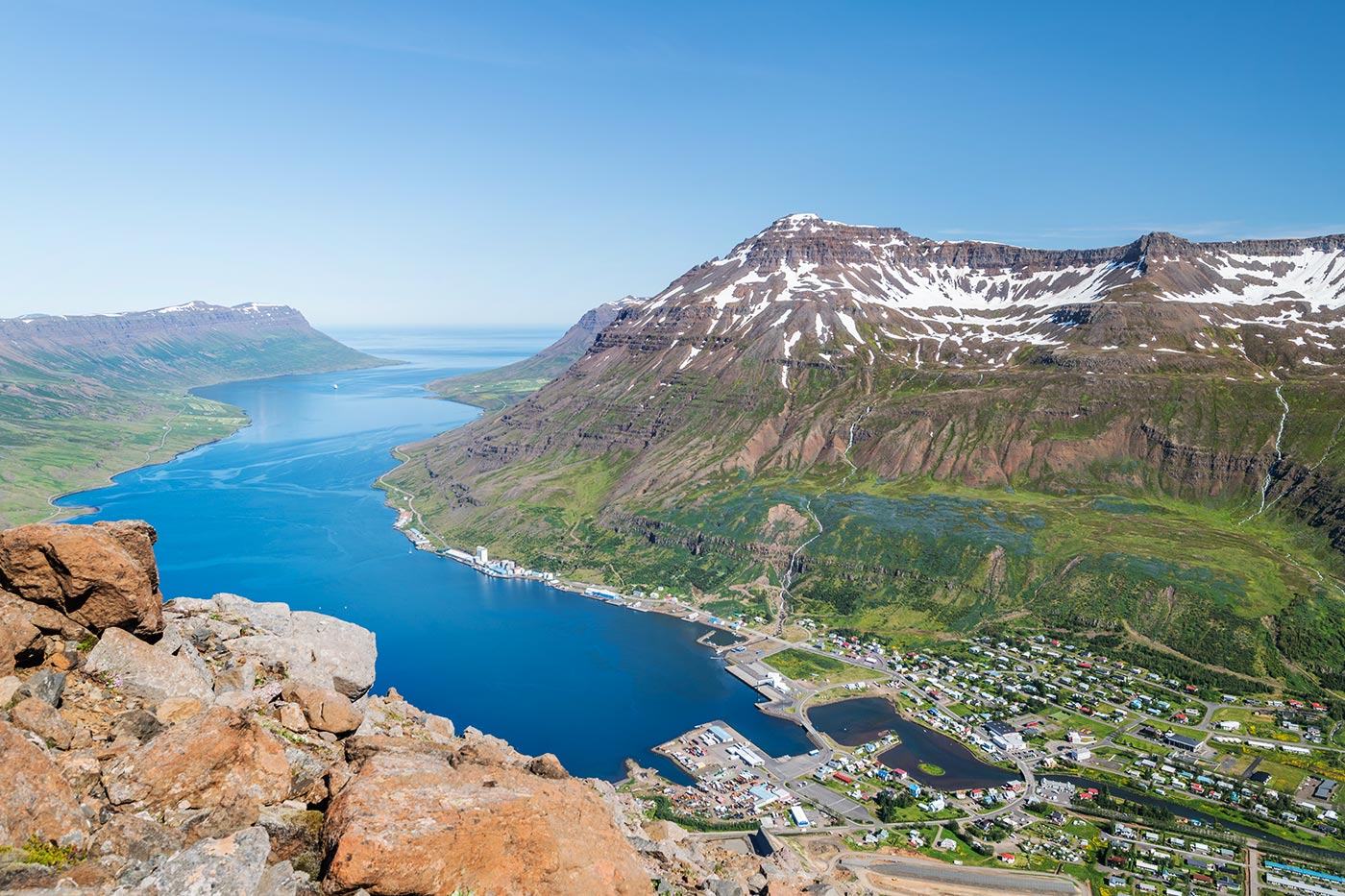
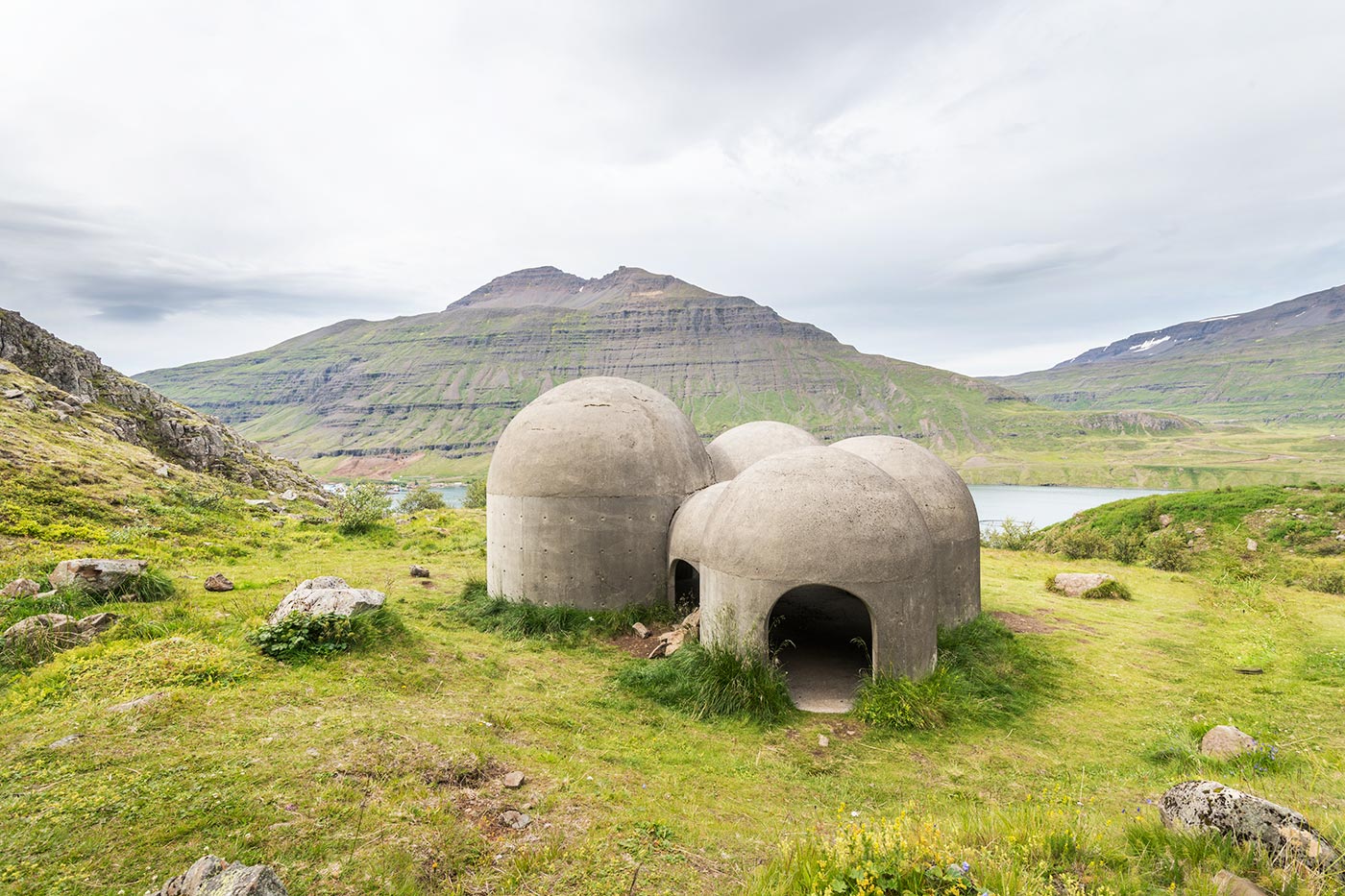
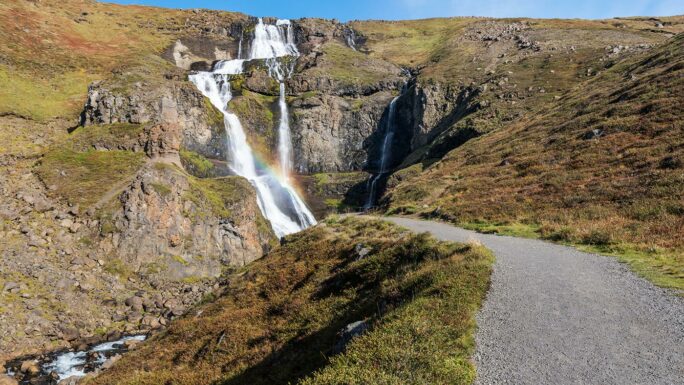
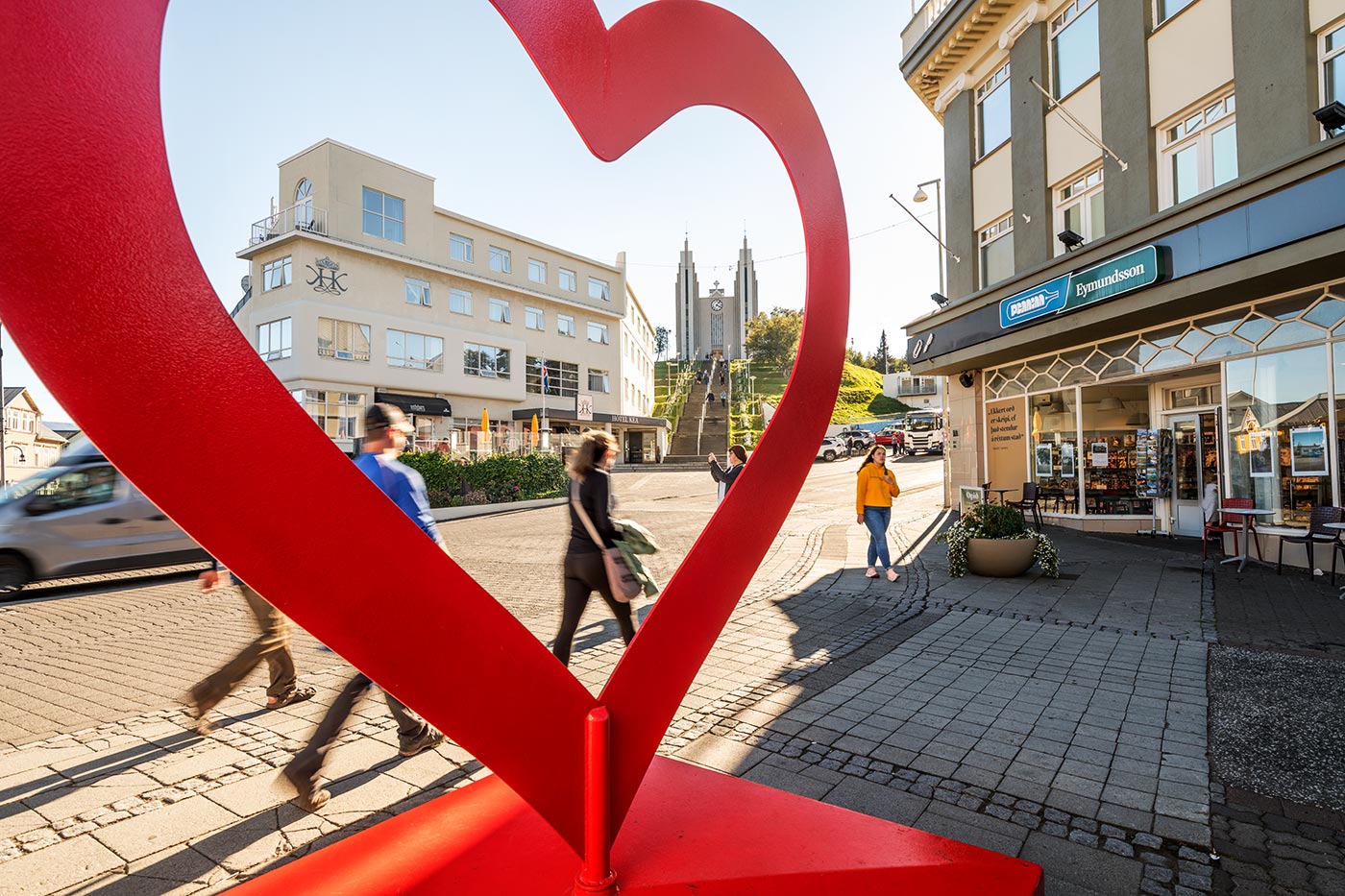
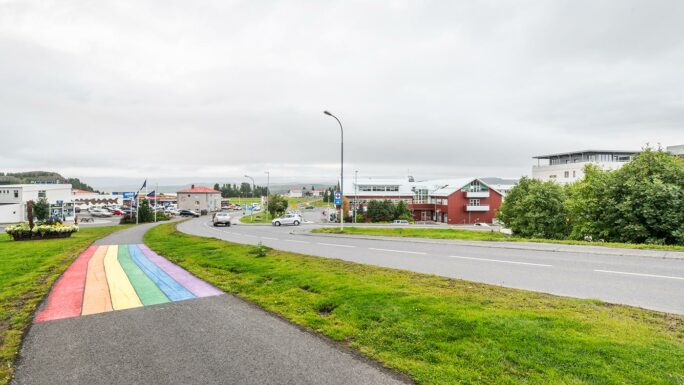
We return to the main road number 1 and with a short stop at the waterfall Rjúkandi we continue to the town Egilsstaðir, which will be our base for the next few days. First we head east. The centerpiece of this part is the harbor town Seyðisfjörður. If you arrive here by ship, Iceland will welcome you right here. There is the famous rainbow street leading to the blue church, a grocery store, a campsite, several hotels and restaurants, and of course a large harbor. In Seyðisfjörður itself there is the waterfall Buðarárfoss, nearby the interesting art installation Tvísöngur, on the other side of the fjord the very nice waterfalls Vestdalsfossar, and a bit further along the shore the interesting rock Dvergasteinn. On the way to Egilsstaðir you can turn off to the viewpoints Bjólfur, but these are inaccessible by car until roughly July due to snow, and if you want to go there before the road opens you must walk 4 kilometers. Then there is the waterfall Gufufoss right by the road, and just near Egilsstaðir there is also the waterfall Fardagafoss. Yes, it is also nice, but we will see much more beautiful ones and you can save that hour.
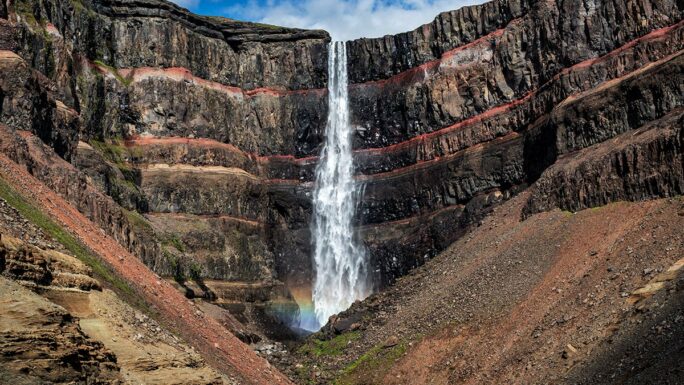
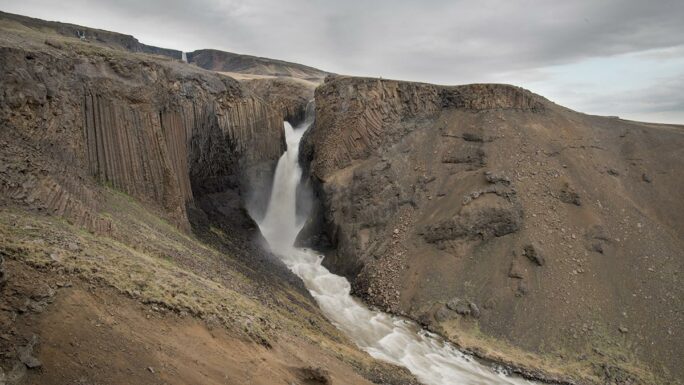
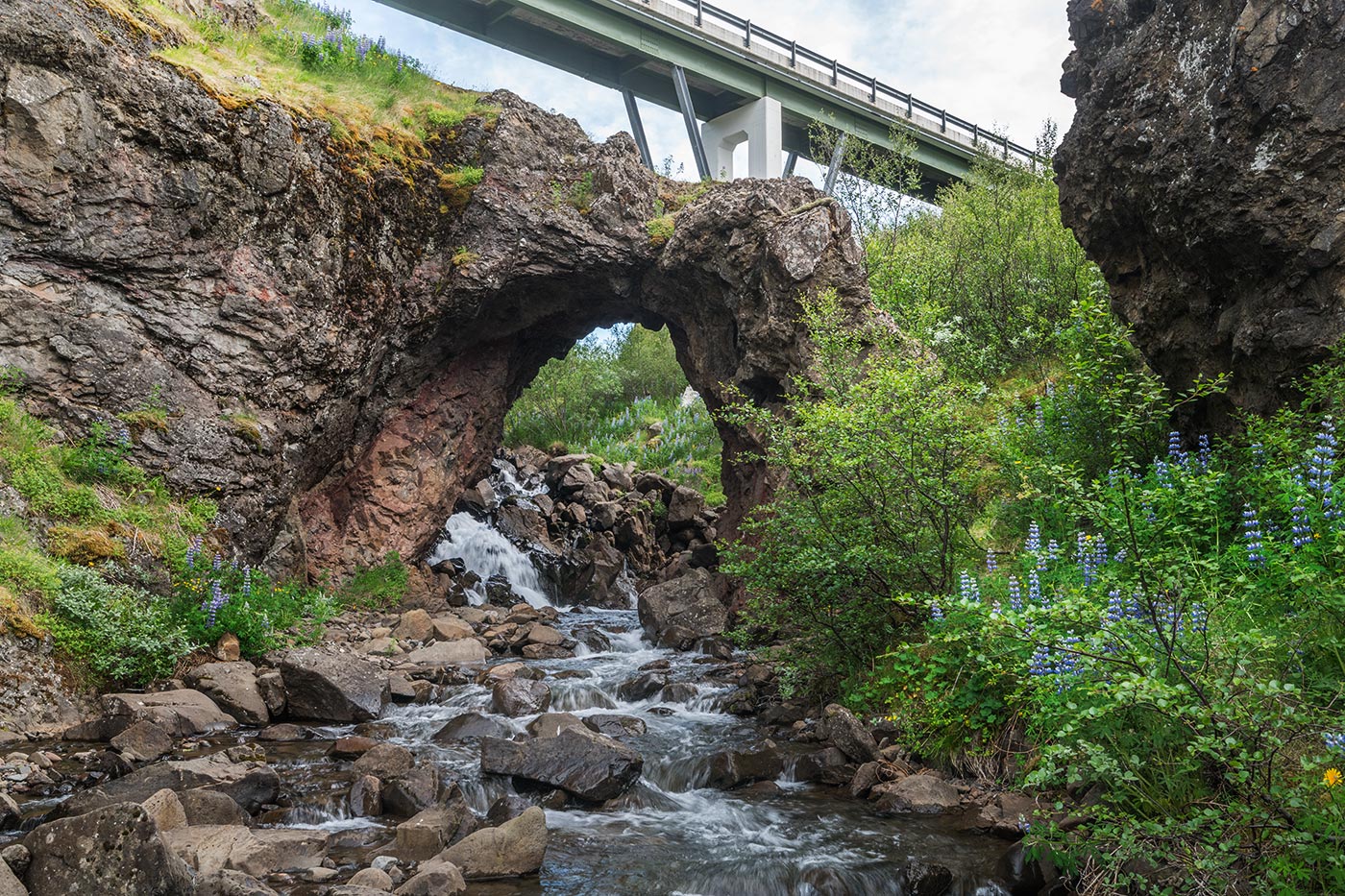
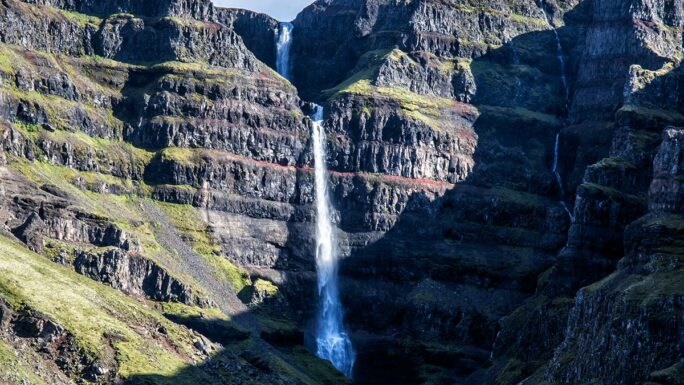
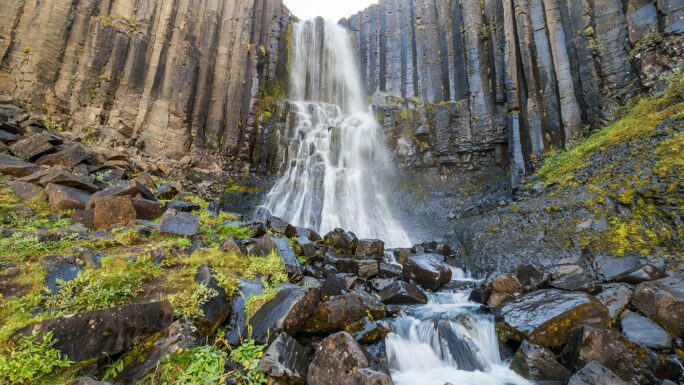
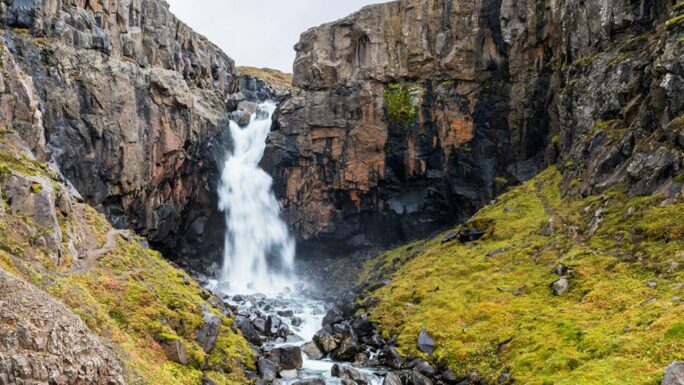
The next exploratory stage takes us along the Lagarfljót. This stage is a trip around a river so wide that it feels like a lake, which is called Lagarfljót. The stage is quite easy and we can discover some places that are not on the usual tourist radar. These are located on the eastern bank of the Lagarfljót river and are the waterfalls Lambafoss and Ljósáfoss and a few kilometers further on, directly under a road bridge, the natural rock arch Steinbogi. None of these places are such that you cannot possibly skip them; the main attraction on the route, winning by a large margin, is the waterfall Hengifoss. To Hengifoss waterfall, famous for its interesting rock layers from which it drops an impressive 130 meters, it is a 3 km walk from the parking lot, and the route is enriched by the waterfall Lítlanesfoss. If you still have some time and energy, nearby there is also the interesting and completely overlooked waterfall Strútsfoss. To reach it you must walk about 2 kilometers from the end of the unpaved road. These two stages both start and end in Egilsstaðir. If you need to restock food supplies, this is the right time and place. The next day we will not return to Egilsstaðir.
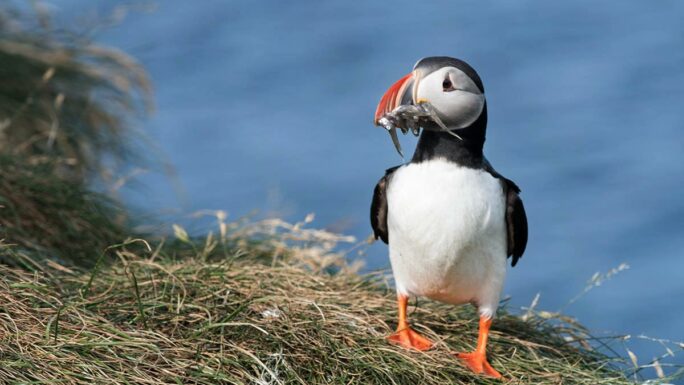
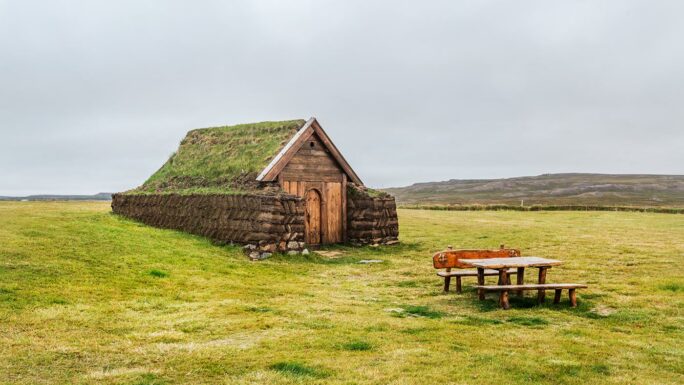
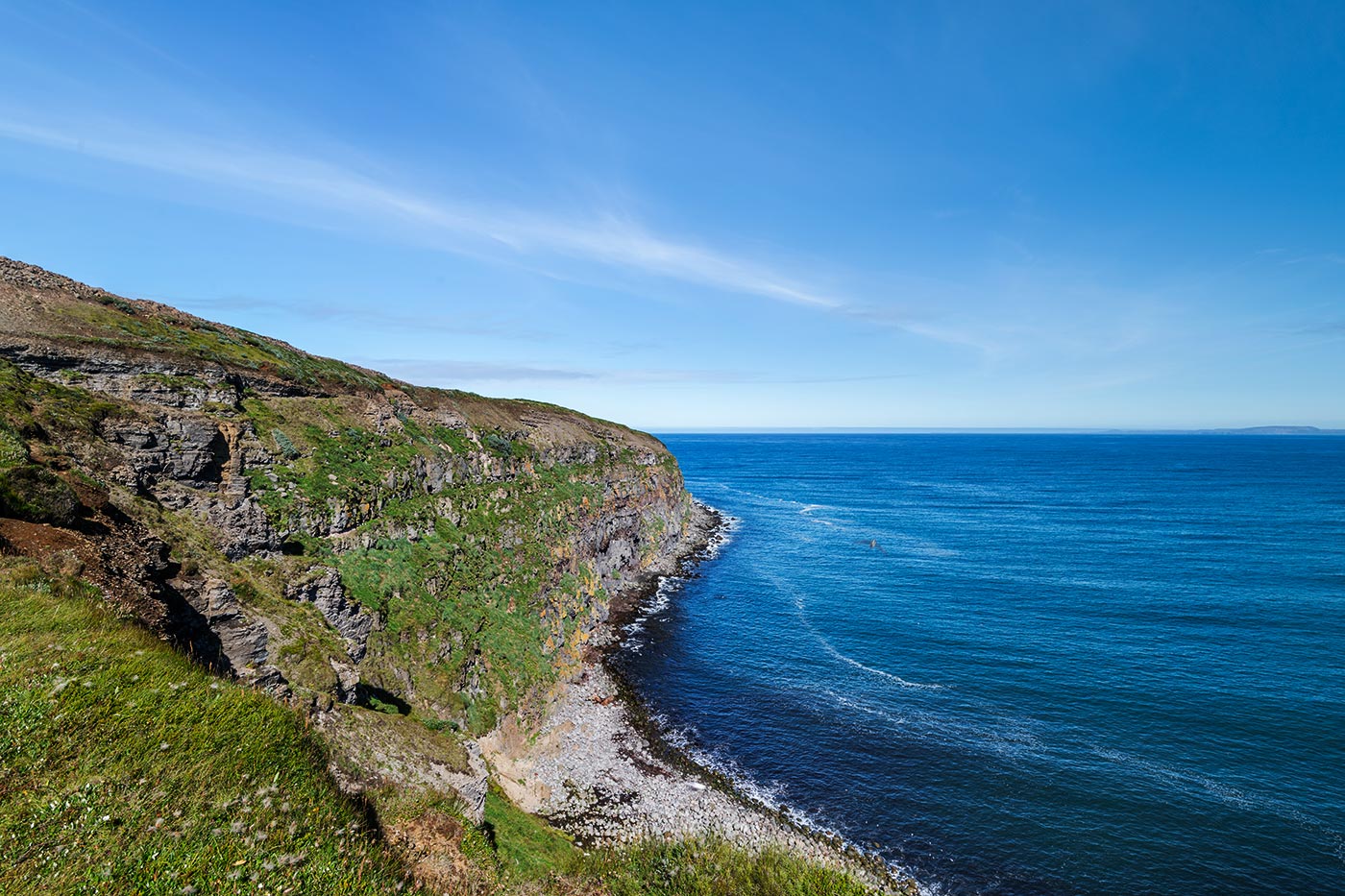
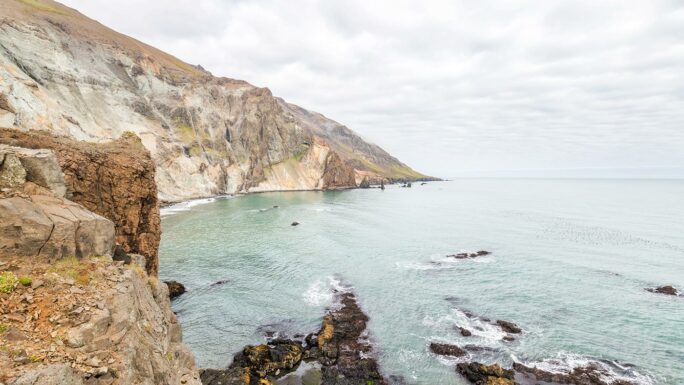
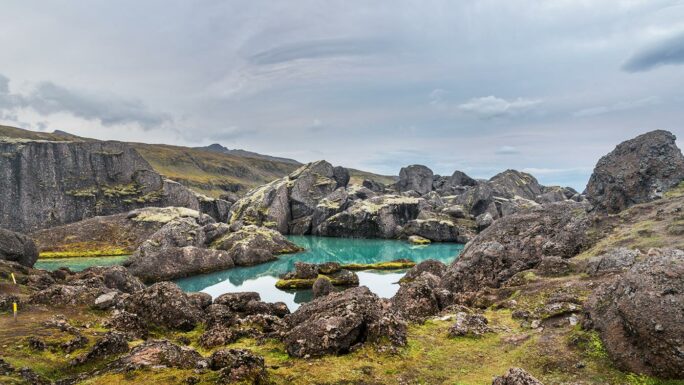
Egilsstaðir – Borgarfjörður Eystri. This part takes us along road 94, which goes through the Vatnsskarð pass. The centerpiece of this section is, between April and mid-August, without a doubt the rock Hafnarhólmi, which in my opinion is the most amazing place to observe puffins in Iceland. Here you can walk on wooden paths literally among them at very close distance. In the nearby village of Bakkagerði, the historic house Lindarbakki is worth a short stop. For experienced hikers there are the boulders in turquoise lakes called Stórurð. Several routes lead there, but before July you should check in advance whether you can actually reach the lakes. Otherwise you may, as happened to me, walk for several hours and then find out that you really cannot continue due to snow. And you will then have to walk back for hours. Stórurð itself will easily take you 6 hours. At the mouth of the Selfljót river there is an easy trek to the former harbor Stapavík. We then continue past a hydroelectric plant and the waterfall Lagarfoss to the small church Geirsstaðakirkja. This church is newly built but constructed using old methods, so visitors can clearly see how such buildings looked in the past.
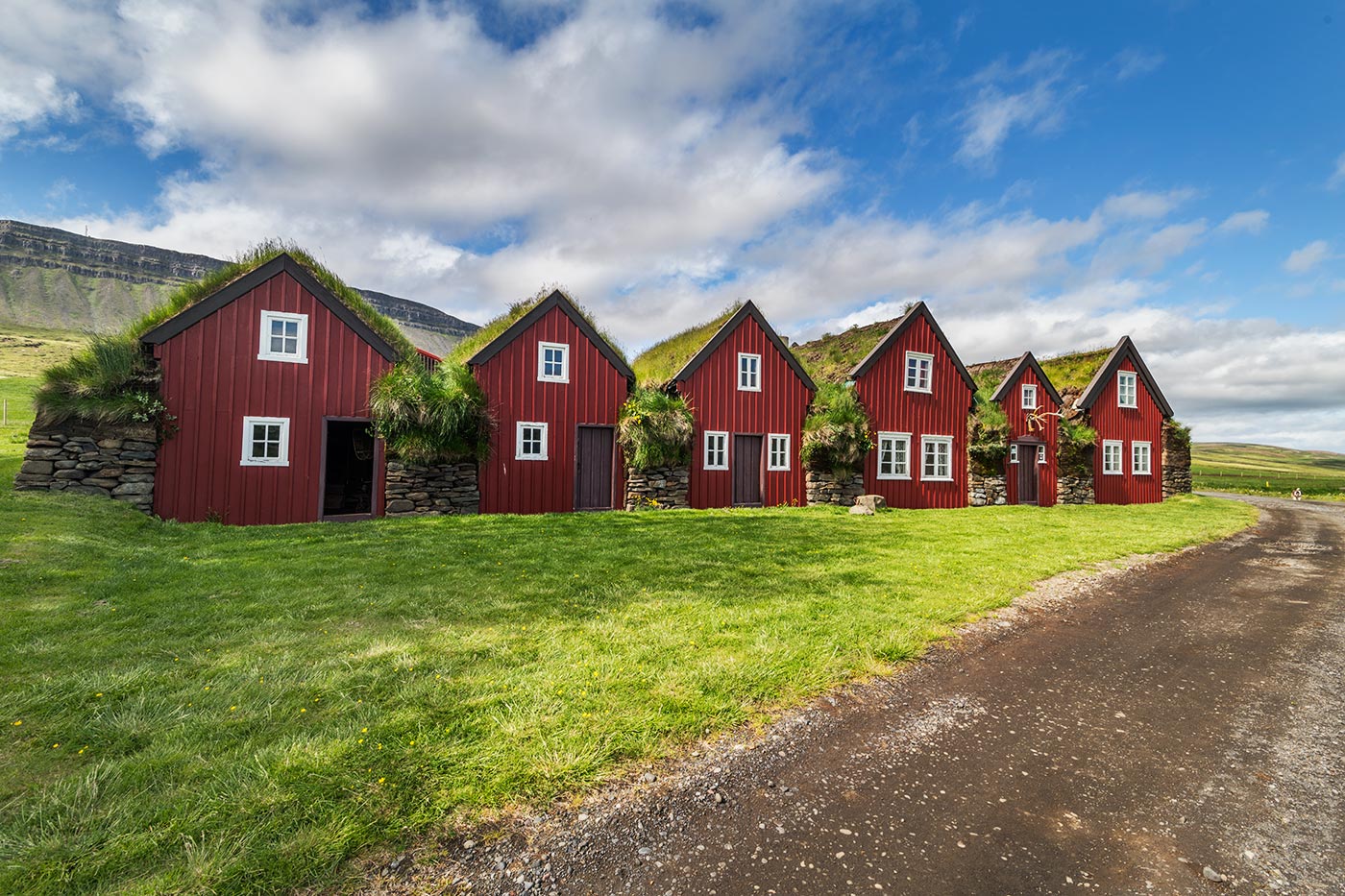
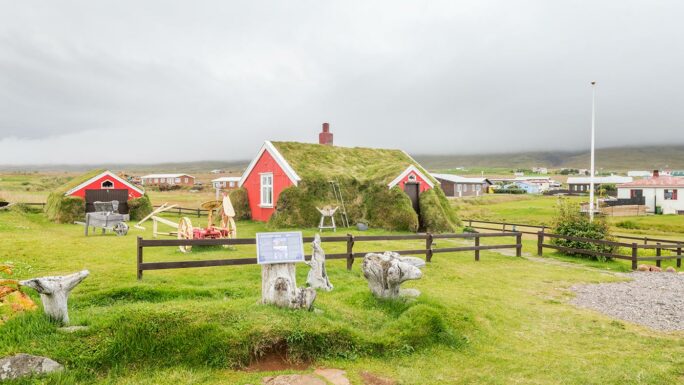
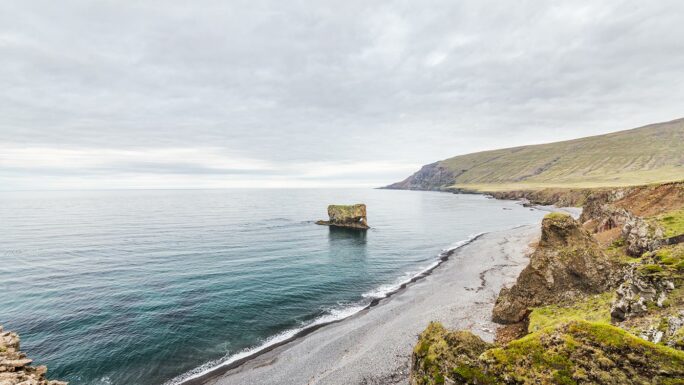
We take road 917 along the northern route. Before entering the mountains there is a hike to the cliffs Ker. This takes about 3 hours, but personally I would say it is not really worth it. The pass road Heiðarskarð is quite interesting and some caution is needed. Once we descend to the ocean there is the beach Skjólfjörur and not far from the shore the interesting rock formation shaped like an elephant Ljósastapi. Then the waterfall Gljúfursárfoss and we arrive in the town Vopnafjörður. We will gain some cultural history at the museum Bustarfell, which is known for its charismatic red-gabled houses.
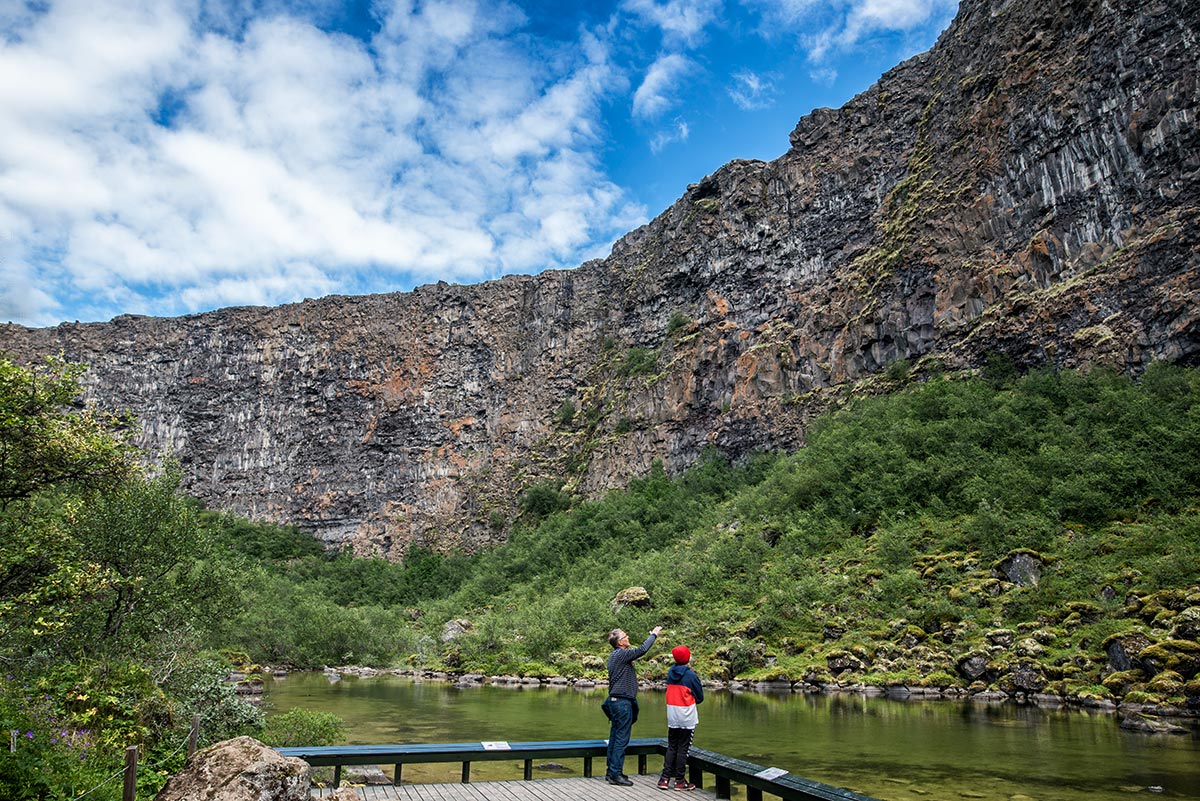
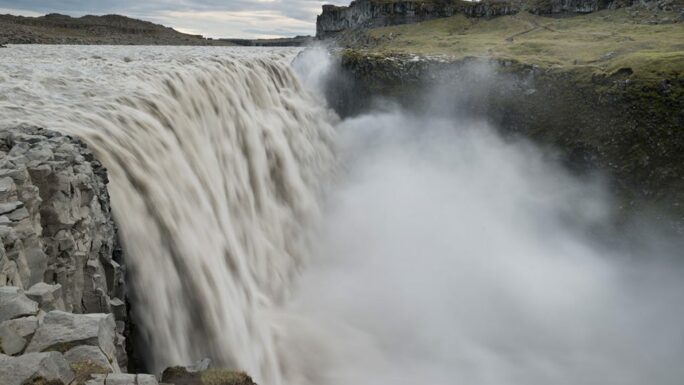
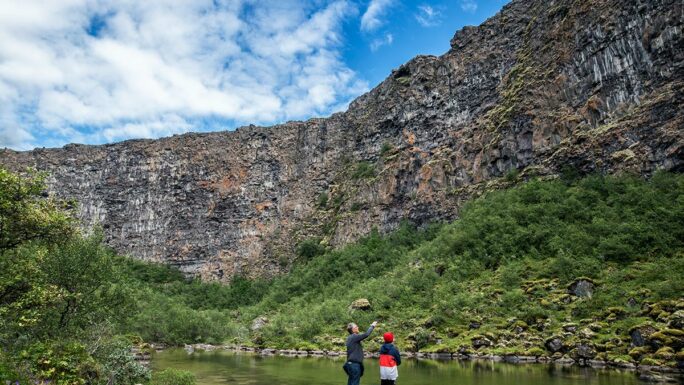
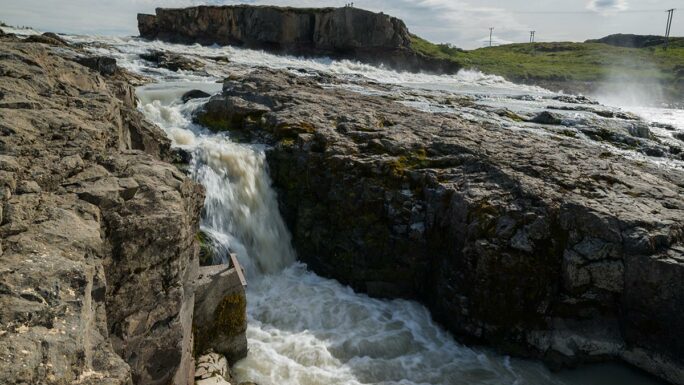
From there we continue to road 864 and head north to the eastern bank of the river Jökulsá á Fjöllum and enjoy the waterfall Dettifoss up close. The view of the waterfall and the river rushing toward you is one that will captivate you. Expect to spend several hours here. Then you can also take a walk south to the waterfall Selfoss. Once you have fully enjoyed both waterfalls, we continue north along road 864. After just a few kilometers there is the viewpoint of the waterfall Hafragilsfoss, and then about 25 kilometers to the beautiful canyon Ásbyrgi. Ásbyrgi is a place like no other, formed by the horseshoe of Odin’s eight-legged horse Sleipnir. Much of the area is forested, and at the southern wall of the canyon you will find the mysterious pond Botnstjörn. In Ásbyrgi there is also an information center and a campsite.
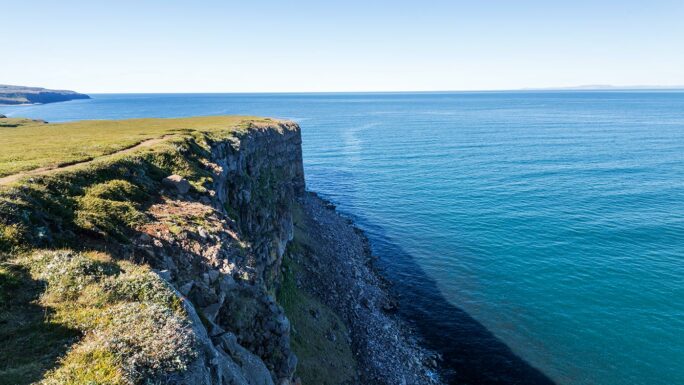
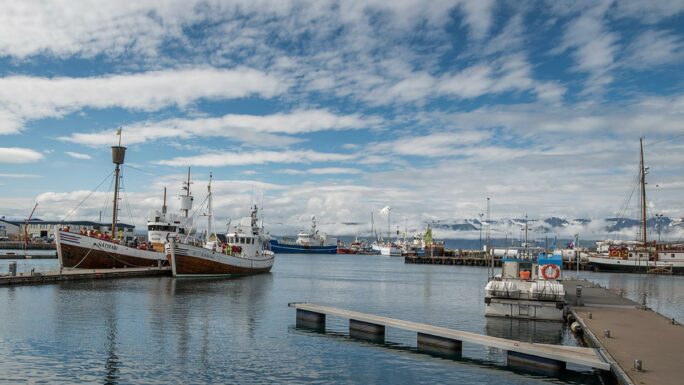
Then we head northwest and travel along the coast of the Tjörnes peninsula. A stop at the viewpoint on the cliffs Hringsbjarg is almost a must, then we have the cliffs Skeiðsöxl and then the town Húsavík. Yes, I probably don’t even need to say what Húsavík is famous for, and if you don’t know, I’ll give you a hint: it is big and likes to hide underwater.
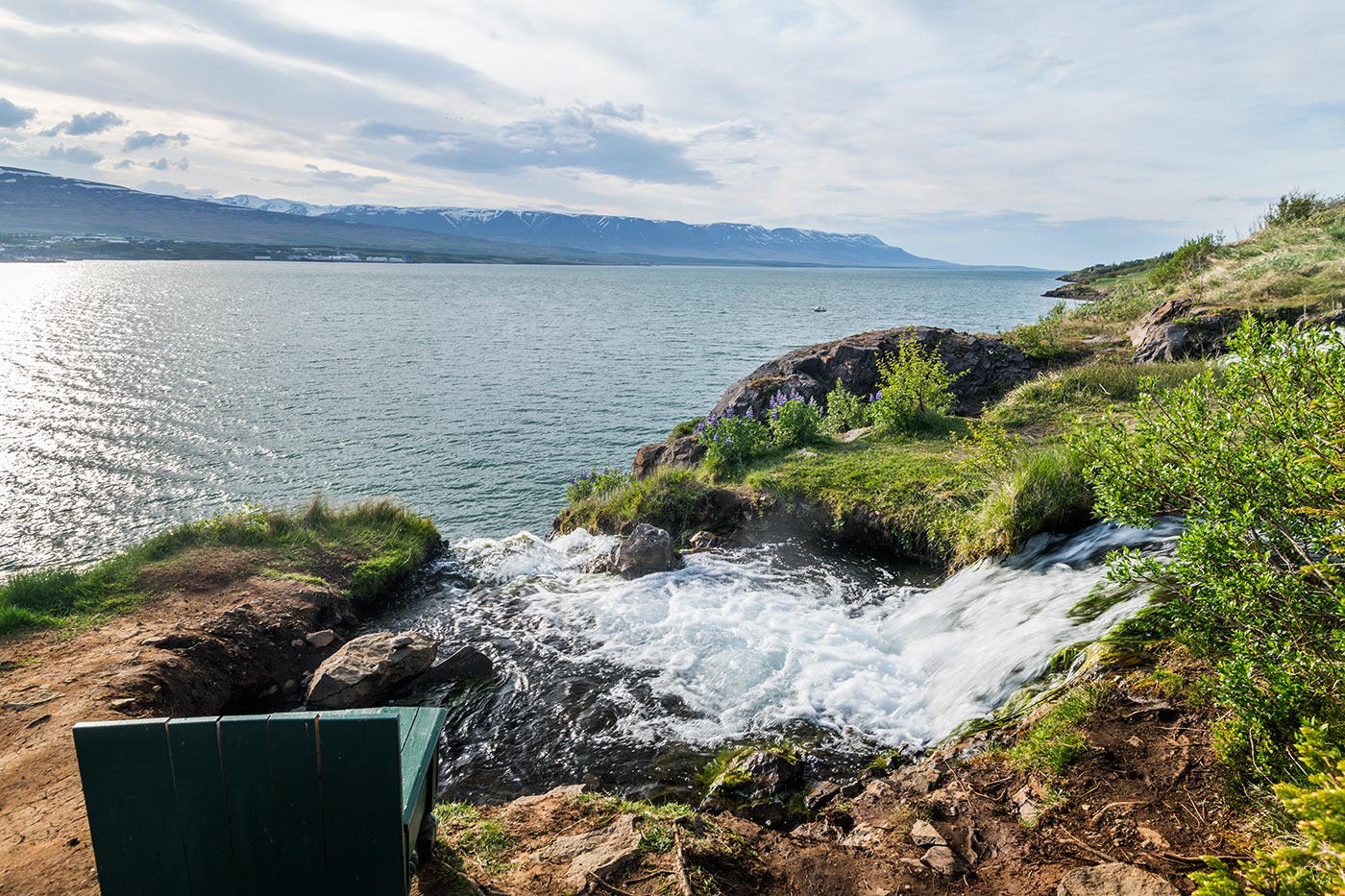
From Húsavík we basically just continue to the Hringvegur and then back to Akureyri. Near the tunnel there is a very beautiful viewpoint where you can stop for a while and enjoy the moment. A secret tip is the nearby geothermal pool on the edge of the cliff above the Eyjafjörður fjord – Halllandsbjargalaug / Jarðgangalaug, where you can relax even more. I hope you enjoyed it and had a great time.
Where to shop cheaply: Egilsstaðir, Akureyri, Húsavík
Total consuming time in days
Availability
Car needed
Main attractions on the route
Meet an experienced guide in Iceland
10 seasons of experience. 99% chance of nice weather and places you didn't know existed.
