
Icelandic hinterland
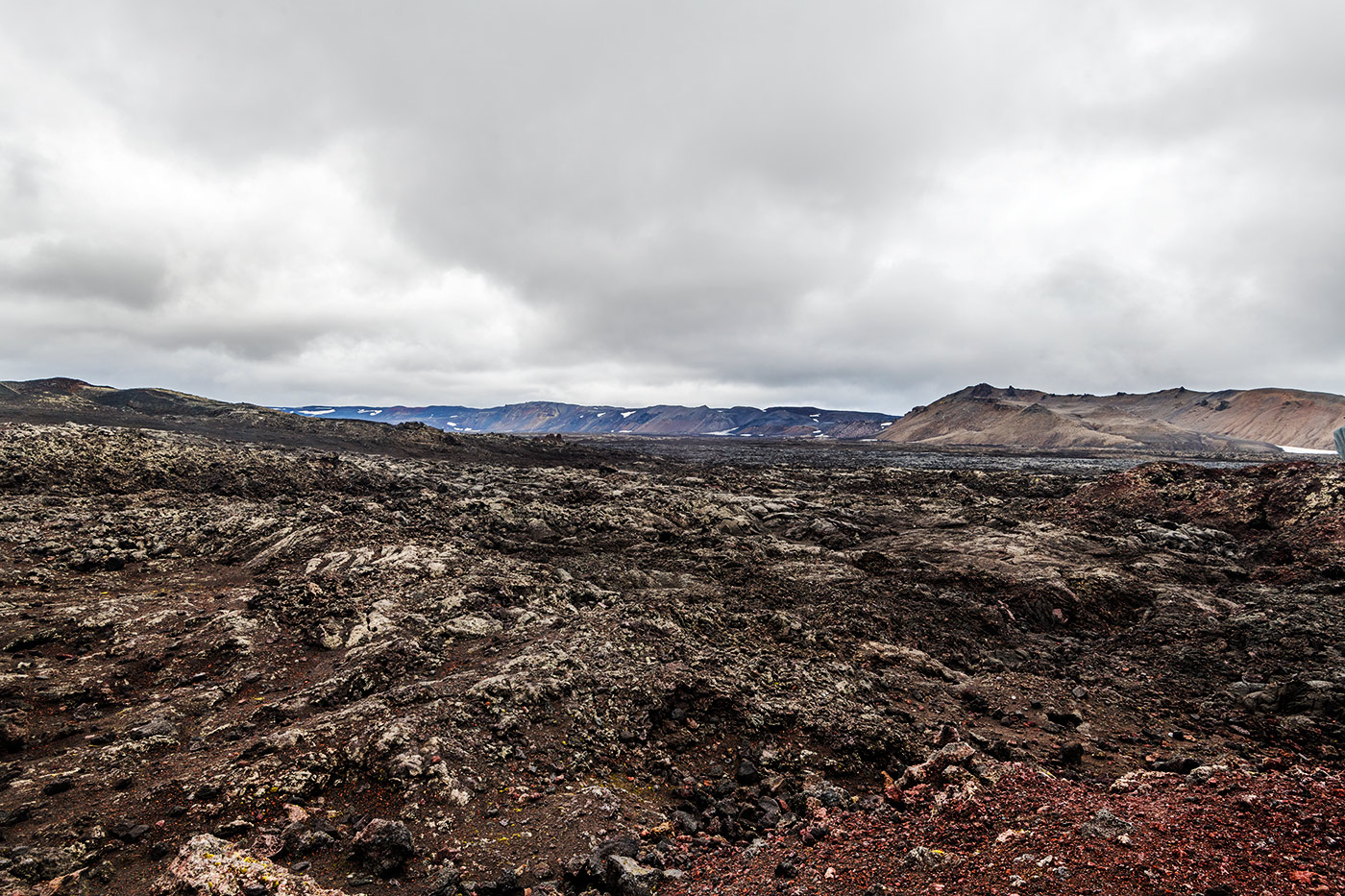
The Icelandic highlands are an unpredictable part of Iceland that is difficult to describe. And it is absolutely impossible to put together any kind of model itinerary, as this is a completely incalculable area.
Instead of an itinerary, I offer you a list with brief descriptions of the places in the highlands that are worth seeing. I will then allow myself a short commentary on the highlands in general.
So, voilà!
The most beautiful and most interesting places in the highlands
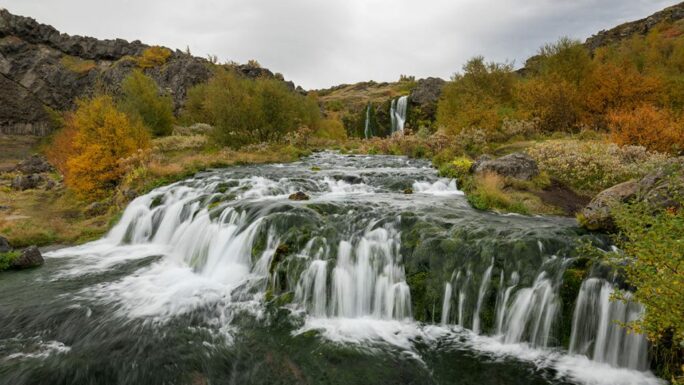
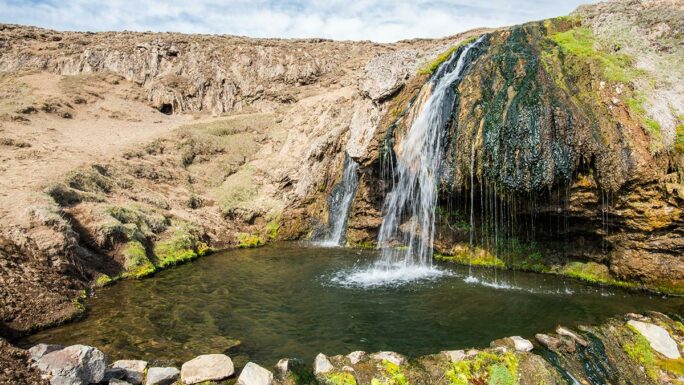
Gjáin
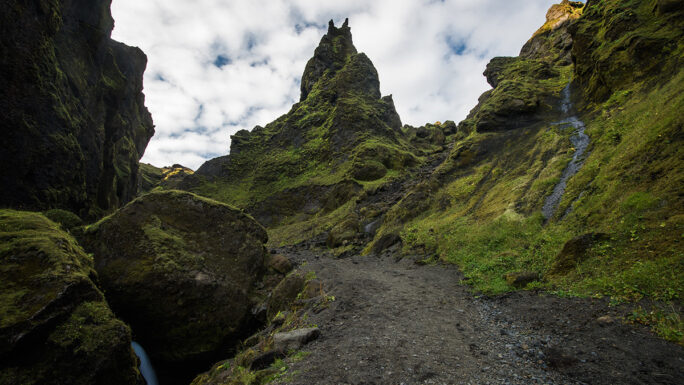
An oasis in the Þjórsárdalur valley with waterfalls, streams, lichens and greenery — a fairy-tale place reminiscent of an elven world, famous for its scenes from the Game of Thrones series.
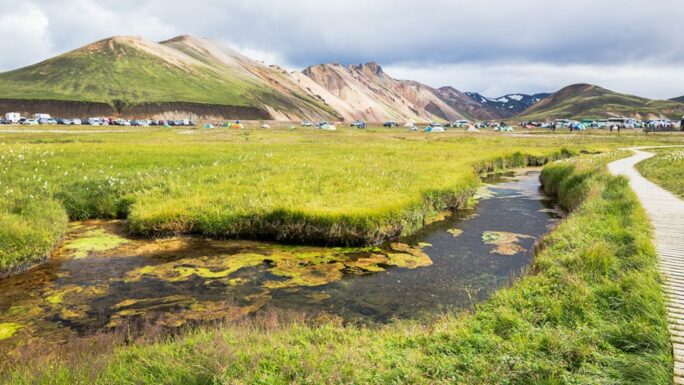
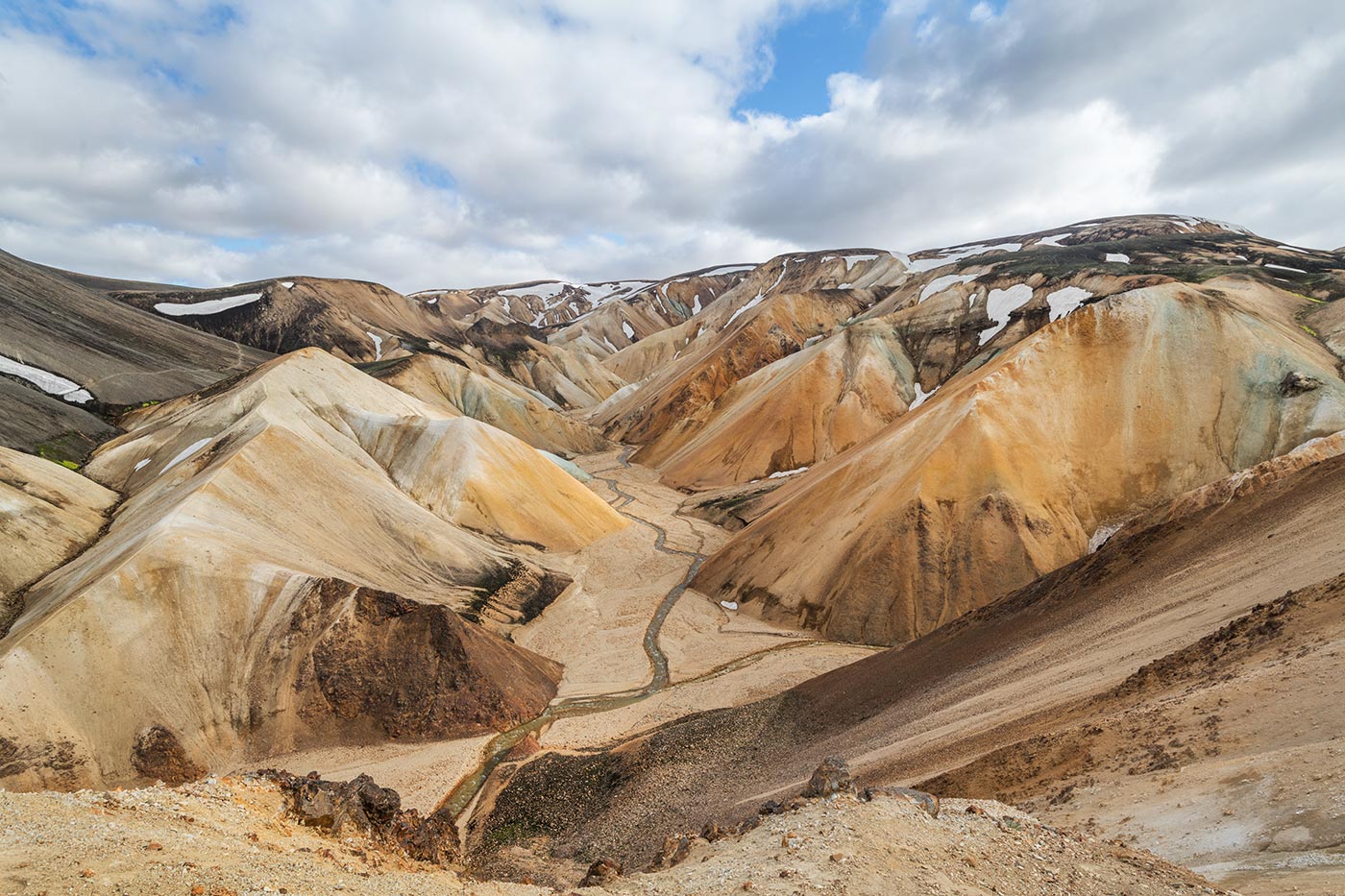
Landmannalaugar
The area of rainbow mountains and geothermal springs in the middle of the Laugahraun lava field — the northern starting point of the famous Laugavegur trek.
Viewpoint No. 8
One of the numbered viewpoints along the route through the Icelandic highlands in the Landmannalaugar area, with exceptional views of the surrounding landscape.
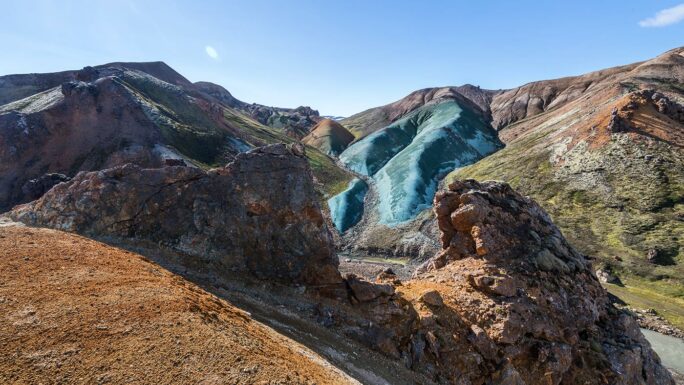
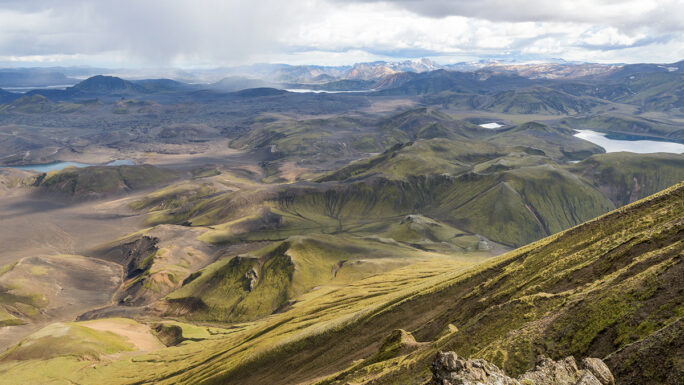
Grænihryggur
The iconic green ridge in the Landmannalaugar area — one of the most photographed views in the entire Icelandic highlands, one you have to earn with a demanding trek.
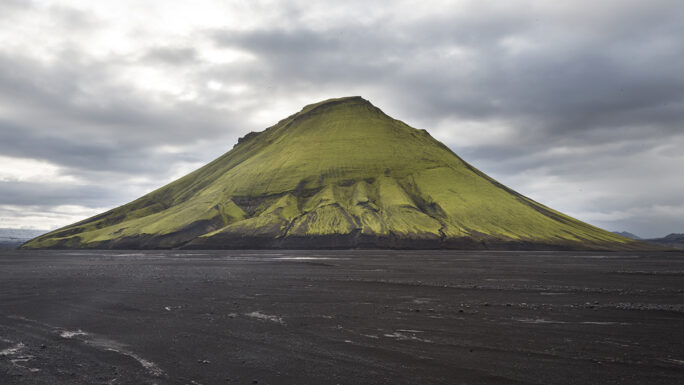
Mælifell
A solitary green volcano with a perfect cone shape, surrounded by black volcanic sand — one of the most surreal views in Iceland.
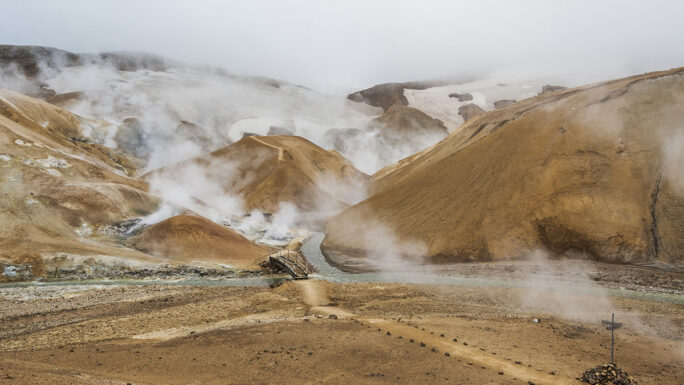
Hveradalir (Kerlingarfjöll)
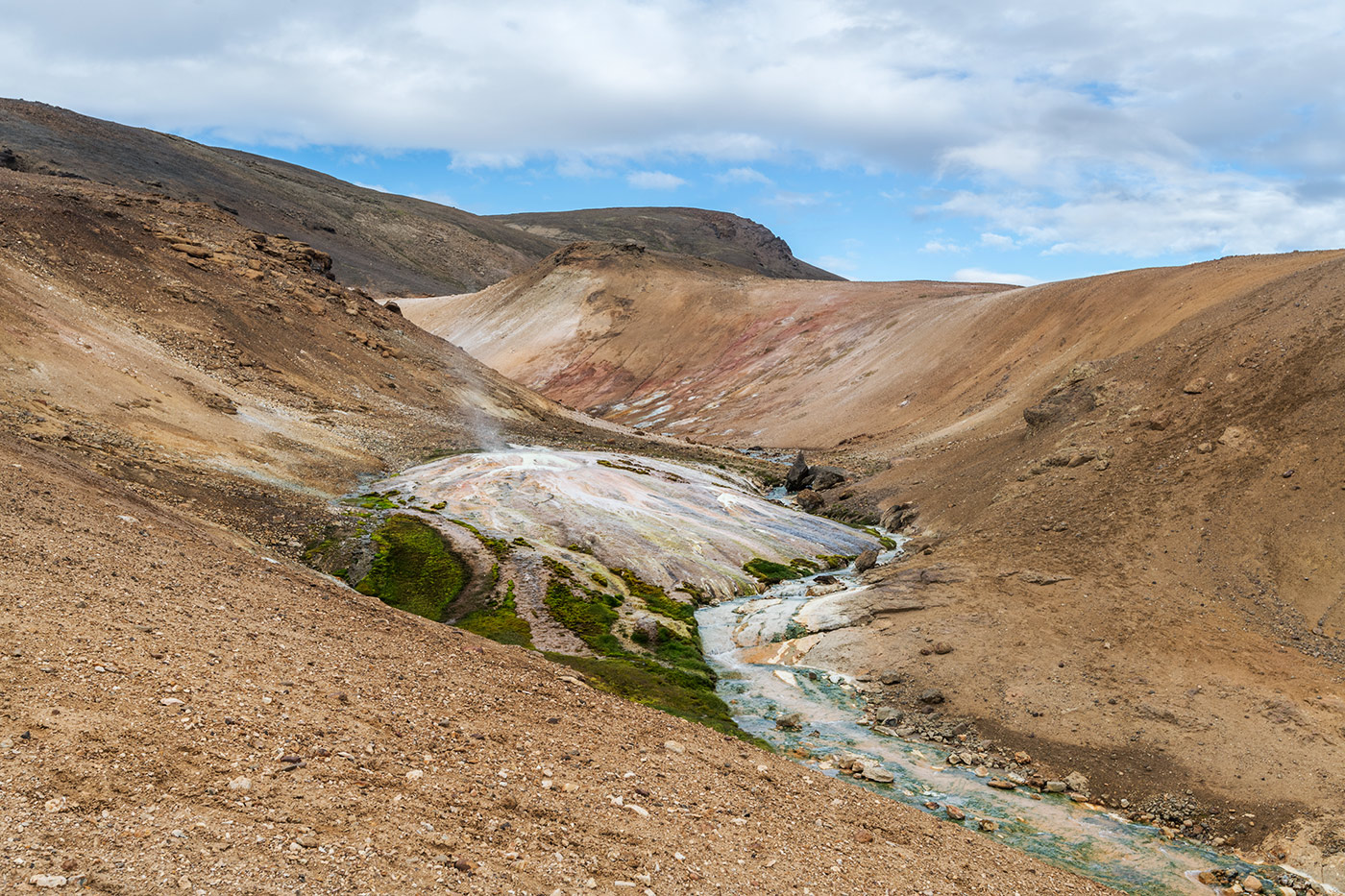
The geothermal heart of the Witch Mountains — colourful fumaroles, hot springs and mud pots in the middle of dramatic mountain scenery.
Askja
An active volcanic complex with a lunar landscape in the Dyngjufjöll mountains, where NASA trained astronauts. Bathing in the geothermal crater Víti is an unforgettable experience.
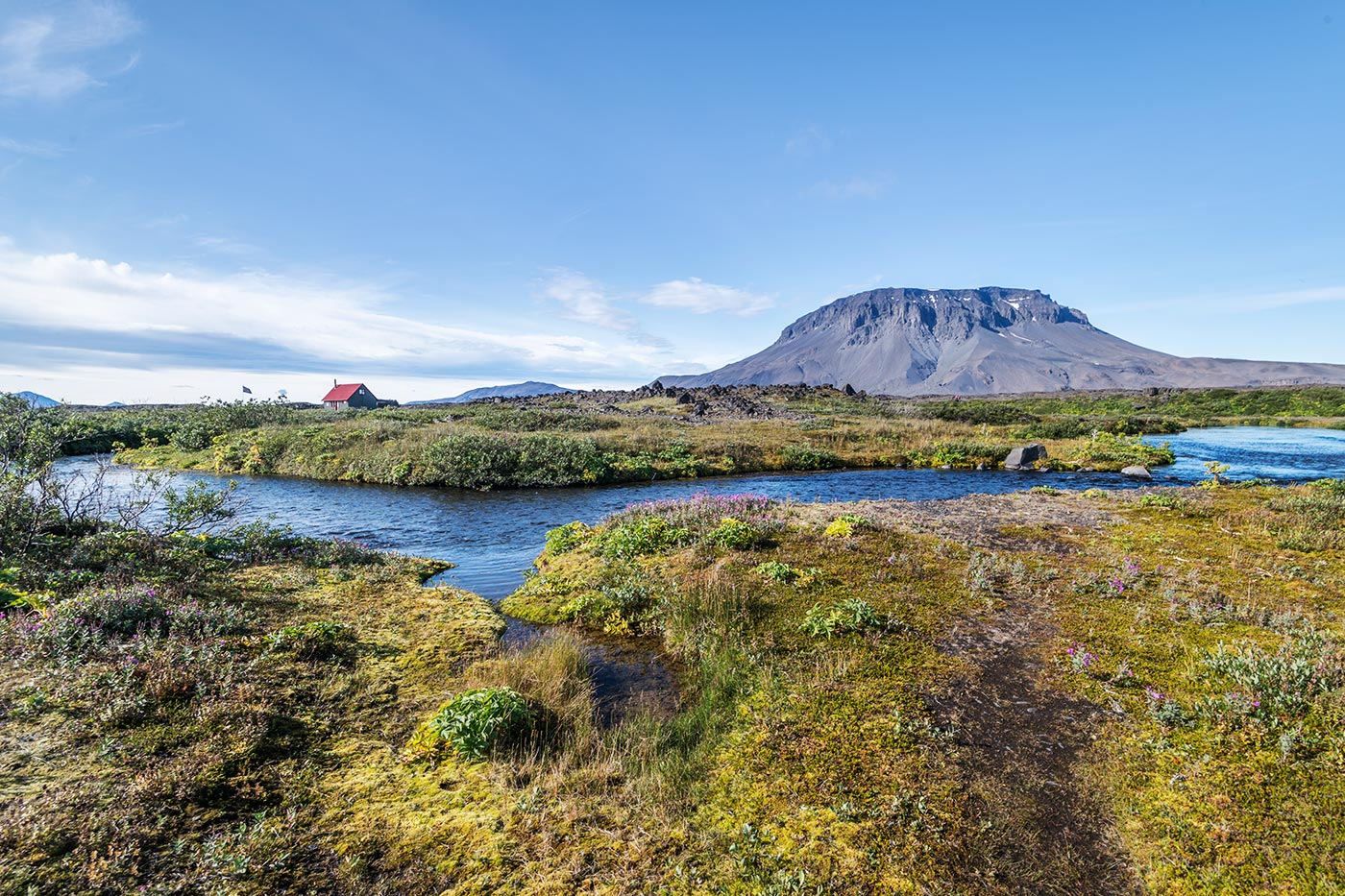
Herðubreiðarlindir
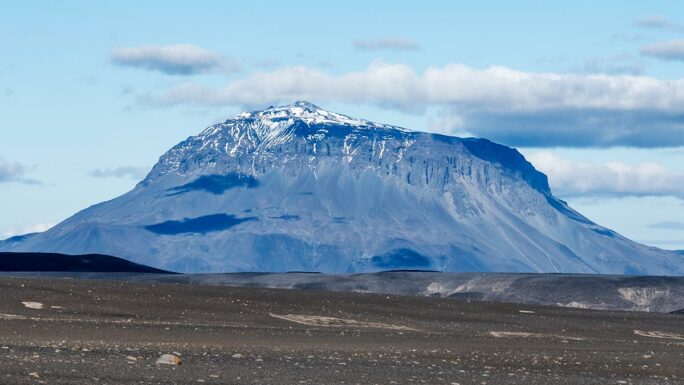
A green oasis with springs, streams and birdlife right below the Queen of the Icelandic mountains, Herðubreið — a historic hiding place for outlaws in the heart of the highlands.
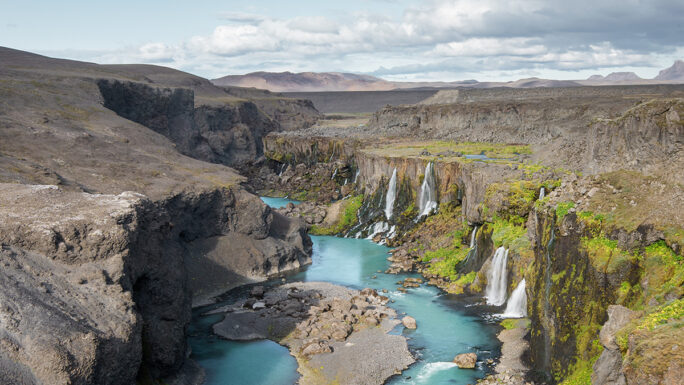
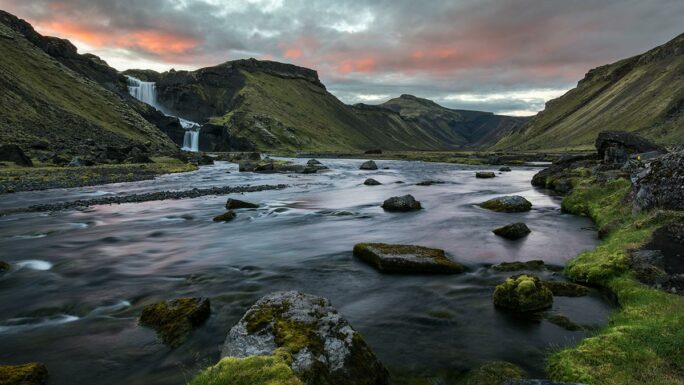
Sigöldugljúfur
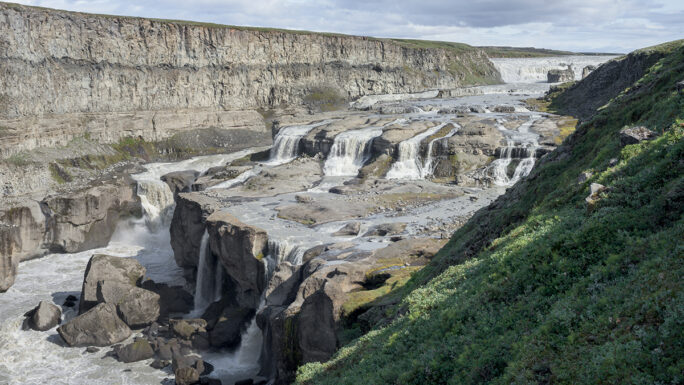
A canyon nicknamed the Valley of Tears, one wall of which is formed by dozens of Lekafossar waterfalls — a photogenic spot on the way to Landmannalaugar.
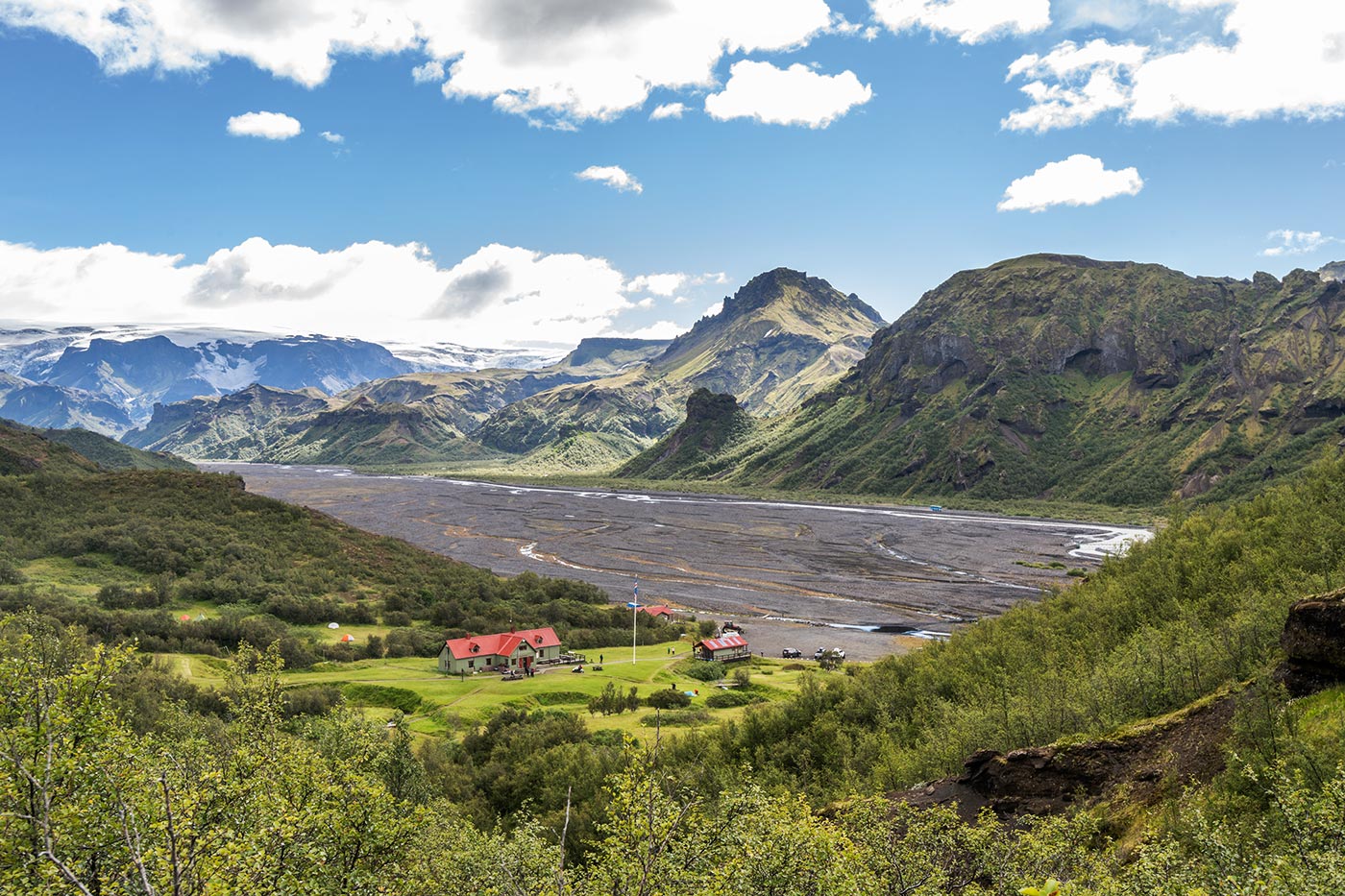
Þórsmörk
Thor’s wooded valley enclosed by glaciers and wild rivers — an iconic location in the Icelandic highlands and the southern starting point of both the Laugavegur and Fimmvörðuháls treks.
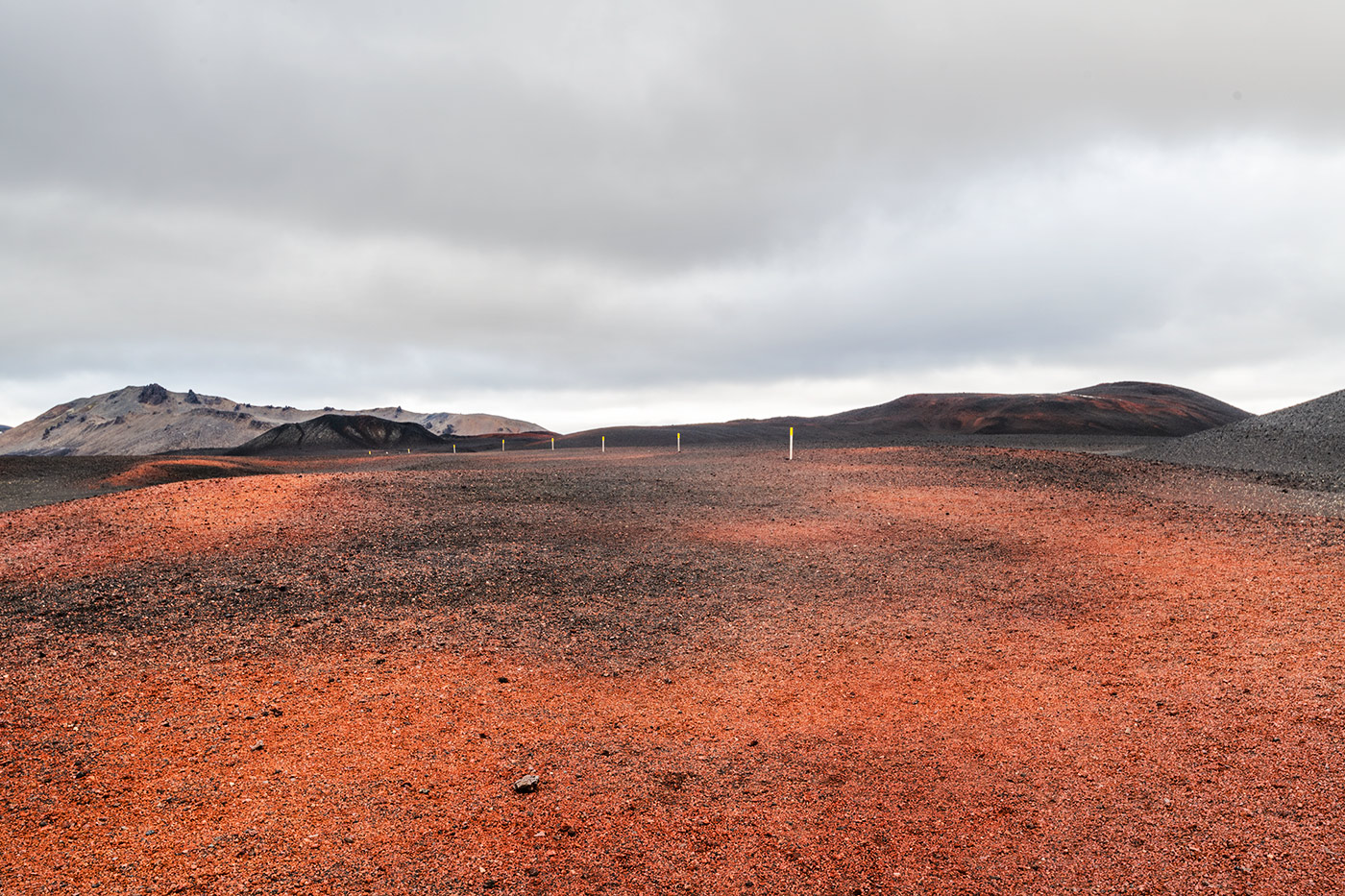
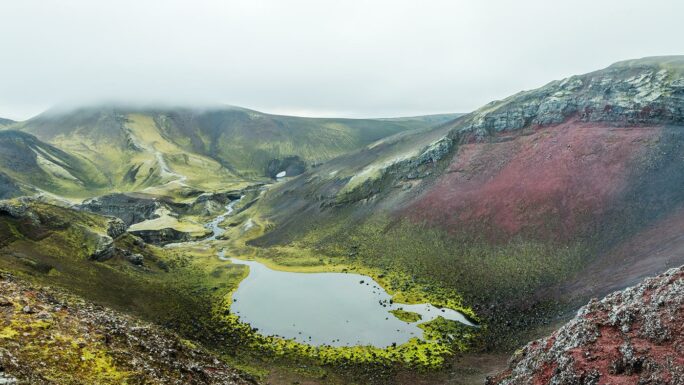
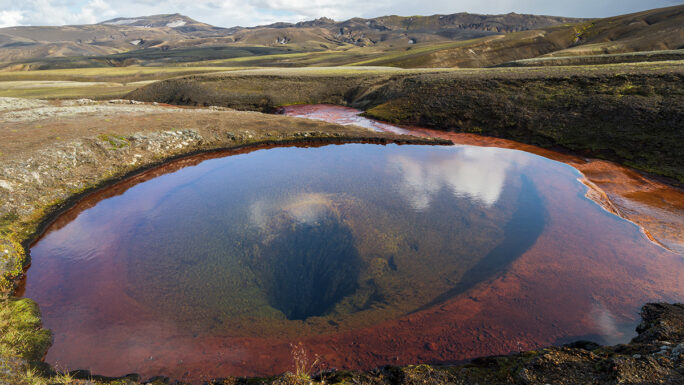
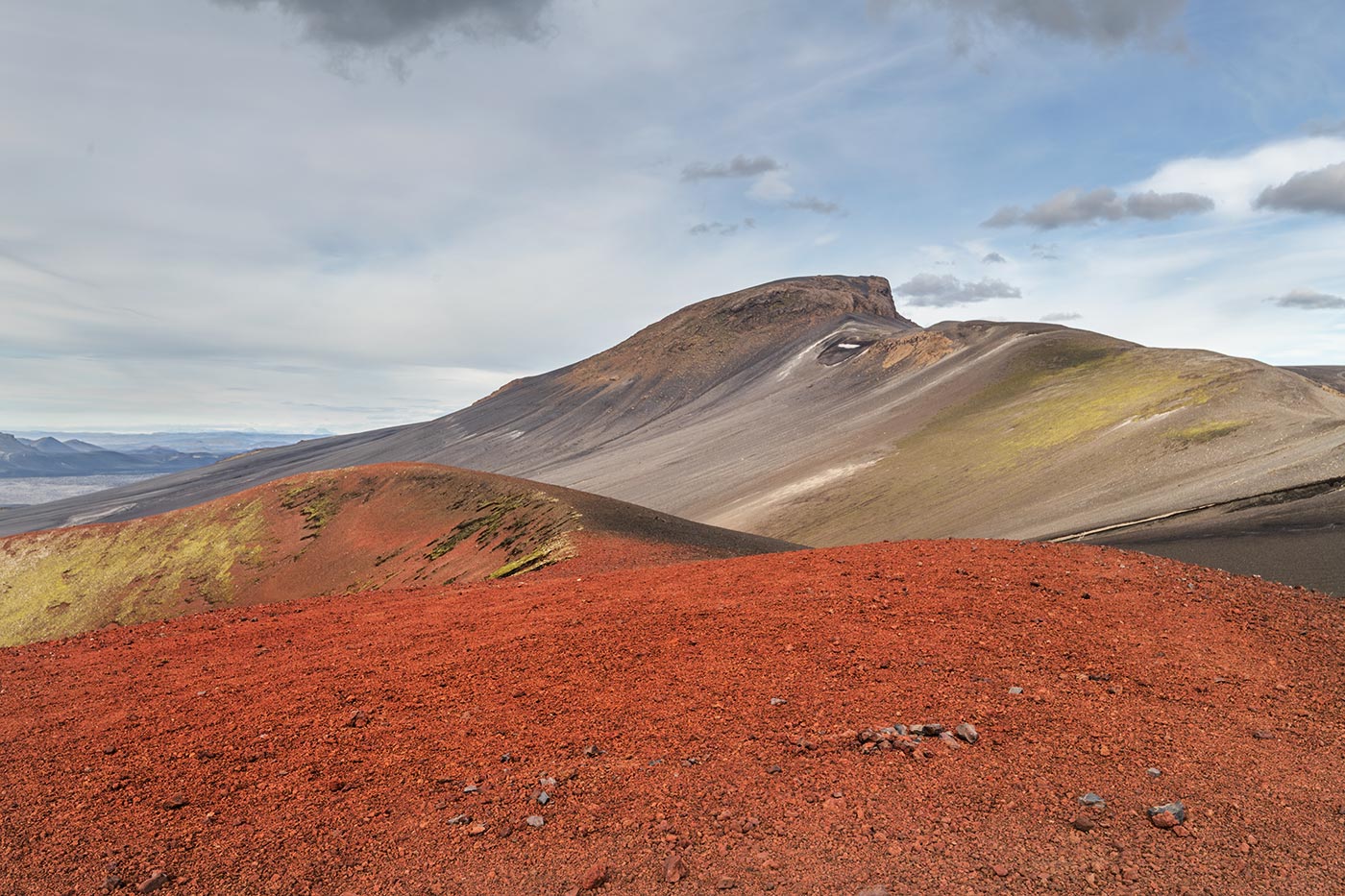
Rauðibotn
A volcanic crater deep in the highlands with red mineral deposits and dramatic views of the surrounding volcanic landscape.
Laugarvallalaug
One of the most beautiful and most remote geothermal pools in Iceland, at the end of road F910 — a place for those willing to drive to the very edge of the world.
Eldgjá
The largest volcanic crater in the world (50 km), dating from 934, concealing the waterfall Ófærufoss — a mystical place with many hiking trails of varying difficulty.
Rauðauga
The mysterious ‘red eye’ — the crystal-clear source of the river Rauðufossakvísl, one of the most magical places in all of Iceland.
Löðmundur (Fjallabak)
One of the most beautiful views of the Icelandic highlands can be found right here. Fact.
Markarfljótsgljúfur
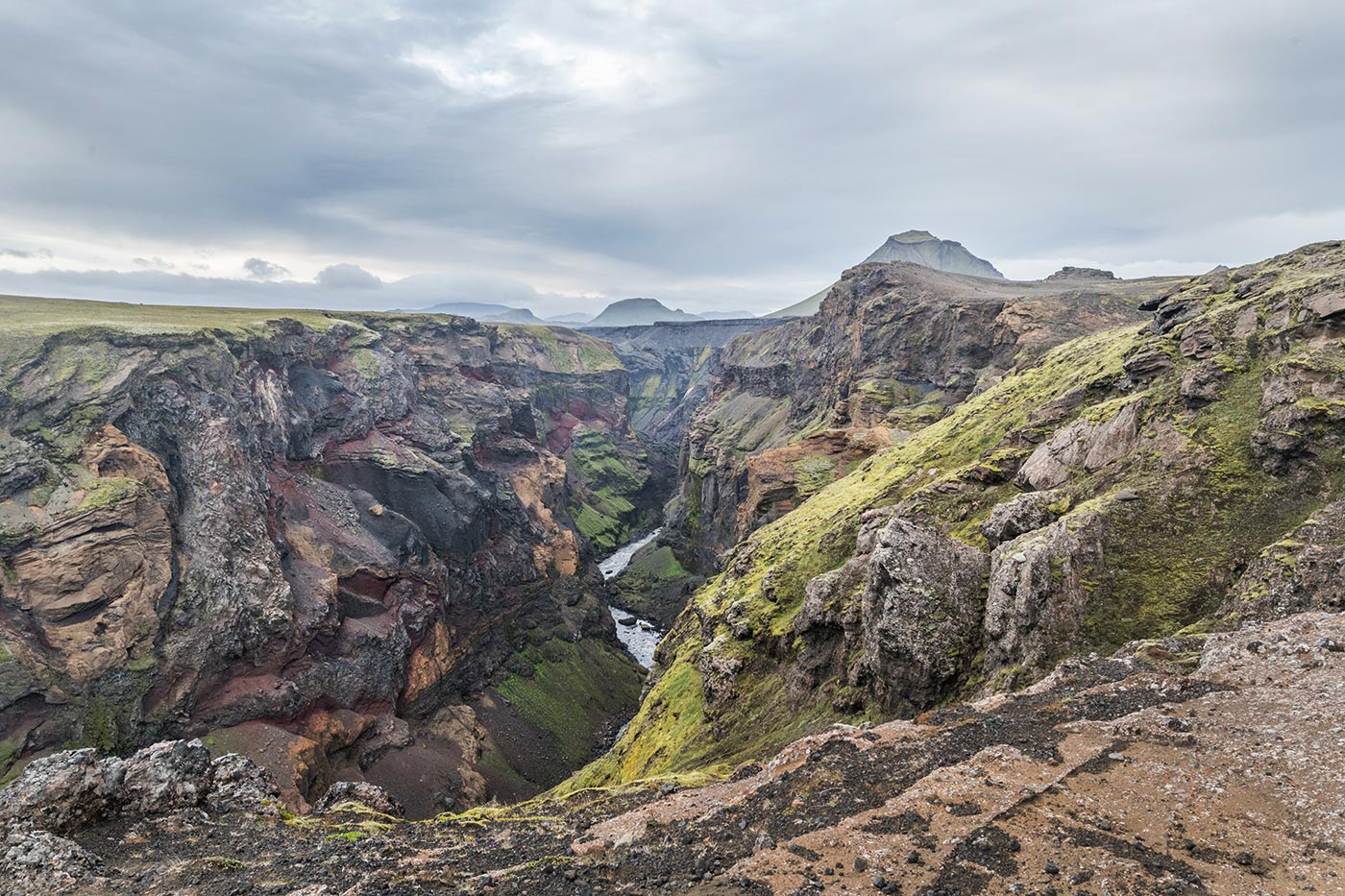
A lesser-known canyon whose most beautiful sections run along the Laugavegur trek.
Places worth seeing
Þakgil
A beautiful and well-hidden canyon in southern Iceland accessible even by 2WD car — one of the few places where you can experience the true highland feel without a 4×4.
Hverahlíð (Vonarskarð)
A geothermal area in the Vonarskarð pass (Pass of Hope) between the glaciers Tungnafellsjökull and Vatnajökull — the destination of long treks from the Nýidalur campsite.
Hveradalir
A geothermal area in the Kerlingarfjöll Witch Mountains — golden-yellow slopes, fumaroles and geothermal pools in the very heart of the Icelandic highlands.
Sveinstindur
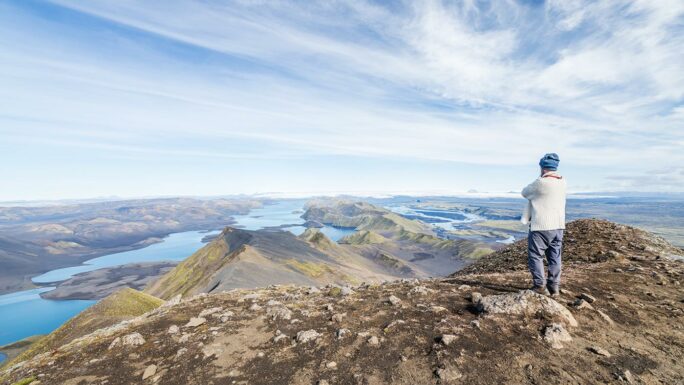
An iconic viewpoint with a panorama over Lake Langisjór — one of the most beautiful views in the Icelandic highlands, reachable in about an hour on foot.
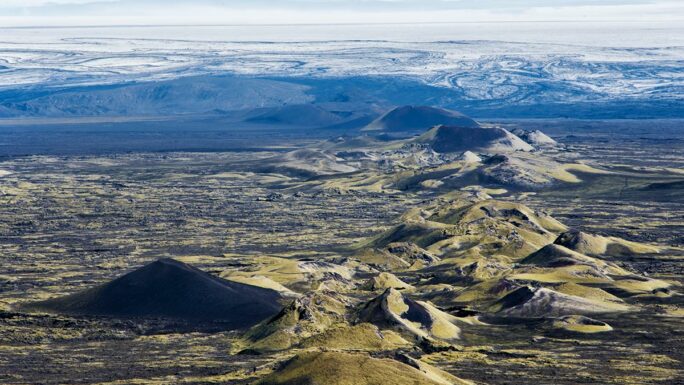
Laki
A volcanic peak with the Lakagígar craters, site of one of the largest volcanic eruptions in human history (1783–1784), which altered the climate of the entire European continent.
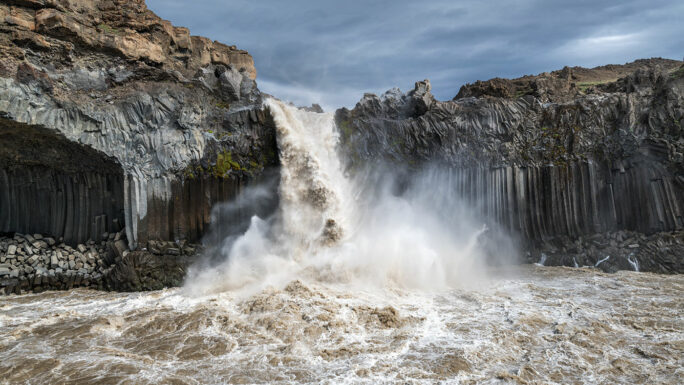
Aldeyjarfoss
A waterfall surrounded by regularly shaped basalt columns on the river Skjálfandafljót — a geological marvel on the northern edge of the highlands.
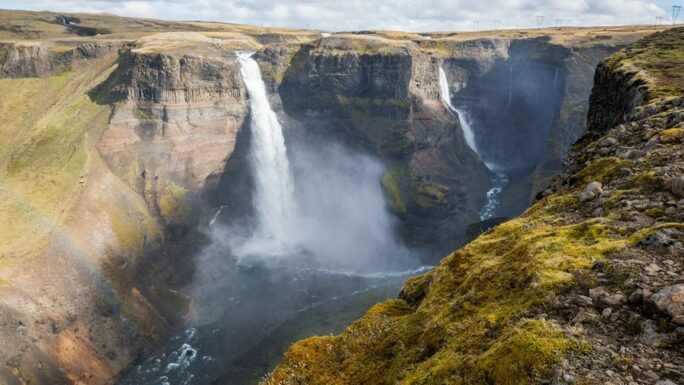
Háifoss
One of Iceland’s highest waterfalls (122 m) in the Þjórsárdalur valley, known from the Stranger Things series — right beside it falls the slightly shorter waterfall Granni.
Rauðaskál
A red crater with dramatic views of a landscape reminiscent of Mars — a little-visited spot in the south Icelandic highlands.
Dynkur
An imposing waterfall on Iceland’s longest river, Þjórsá, completely off all tourist routes — there is a very good chance you will have this place entirely to yourself.
Háhyrna
Views from the slopes of Mount Háhyrna over the vast plains of Sprengisandur with a panorama of the Fremri-Hagajökull glacial tongue.
Nýifoss
A waterfall in the Icelandic highlands in the Hagavatn area along road F335 — a little-visited spot in the heart of the south Icelandic uplands.
This itinerary is not an itinerary in the true sense of the word — planning anything in the Icelandic highlands more than a few hours in advance is not possible, and in some cases the situation can change significantly even within those few hours.
The Icelandic highlands hold many pitfalls that are worth knowing about, and then many more pitfalls that simply cannot be written about in advance, as they are the daily whims of Iceland’s raw nature — and there are so many of them that the entire internet could not contain them all. You have to be able to assess all of these hazards on the spot. Get it wrong and your journey can end very badly. Being stranded for several hours with no choice but to spend the night in a wilderness in the middle of nowhere with no way to call for help (there is usually no GSM signal in the highlands) is actually the minor inconvenience. Tragic consequences in every sense of the word are the worst-case scenario. A real one.
The range of ways things can go wrong in the highlands is unbelievably wide.
Two flat tyres at once? A problem that will stop you dead. Think it can’t happen? Hold my beer!
River levels are predictable, at least to some degree — water levels are generally lower in the morning than in the evening. This is caused by glacial melt during the day due to sunlight.
The difference in water level can be so pronounced that a river you crossed without any trouble or concern in the morning may force you to stop on the way back in the evening and wait for it to drop again.
How long that takes depends on both the amount of sunshine and the rainfall — don’t assume the river level is bound to have dropped by morning.
Tides also affect some river crossings, as in the case of the F649 in the Strandir area.
The good news is that most attractions in the Icelandic highlands can be reached by several routes, and one of them is always easier than the others.
Landmannalaugar is most easily reached from the north-west via the F208. Along this route you won’t even need to ford a river, so if you’re not confident, leave your car in the car park before the river just before Landmannalaugar. Think it’s an easy ford you’ll definitely manage? I spent more than two weeks in that area and saw at least ten drowned cars. That’s a lot for such an easy crossing. Also don’t miss the Sigöldugljúfur canyon on the way.
Want to head to the Rauðibotn crater? Then take the F210 and you won’t have to ford the river Holmsá.
Want to get to Mælifell? Then choose the F232.
Want to visit Rauðibotn and then Mælifell? Simply return to road 208/209 and don’t risk the ford across the Holmsá.
Keen to visit Iceland’s queen of mountains, Herðubreið, and the Herðubreiðarlindir area? The easier route is via F905, F910 and then F88 from the south. The ford across the river Lindaá is simply not suitable for all vehicles.
Heading to Þórsmörk and you’re not an experienced driver on difficult terrain? Then it’s genuinely a bad idea — the F249 really is not for beginners. And there’s no other road in, so perhaps save it for next time.
Made it safely to your destination but don’t have enough fuel for the return journey? Only Odin can help you now.
Lost your number plate? Think back to which river you drove through so forcefully that the water swept over the bonnet, return to that river, and fish your plate out from the bottom. There’s a very good chance you’ll pull up a few others along with yours. Take them with you and hand them in to some rangers (at the campsites).
There are bits of metal down there and they’re not number plates? Those will be pieces of underbodies — don’t worry about those.
Once you’ve driven somewhere, you usually still have to walk a bit further to reach your actual destination. Don’t go on glaciers if you don’t know what you’re doing and don’t fancy dying. Don’t cross snow bridges if you don’t want to fall through and break your arms and legs. Carry more food and water than you think you’ll need at first glance.
If you’re venturing further off the beaten track than usual, it’s worth having a satellite communicator.
Going alone? Good luck!
Main attractions on the route
Meet an experienced guide in Iceland
10 seasons of experience. 99% chance of nice weather and places you didn't know existed.
