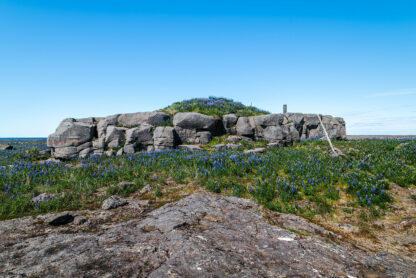
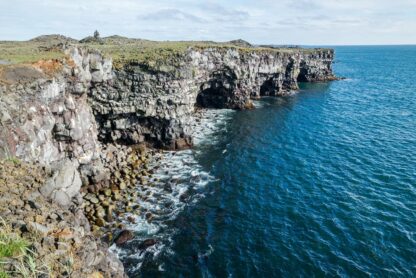
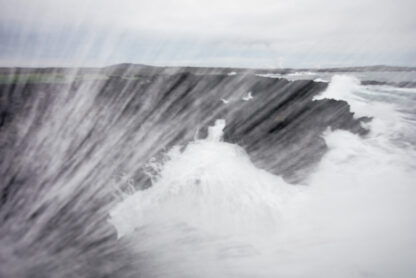
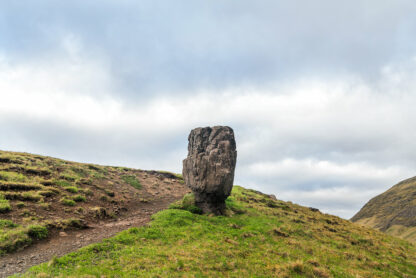
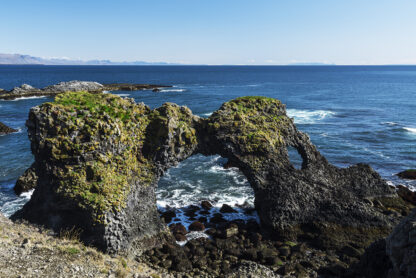
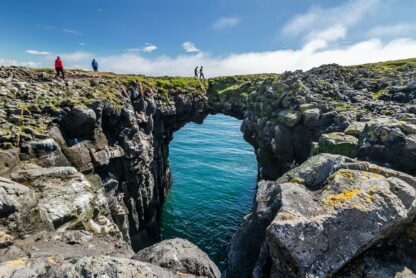
Gálgaklettar are rock formations on the Reykjanes peninsula where individuals sentenced to death were executed. Although there are no direct written records of this, the legend is very old and deeply rooted.
Corporal punishment and executions were common in Iceland since the 13th century. Hanging, beheading, drowning, and burning were all practiced, with women more often being drowned, while men were hanged or beheaded. The death penalty was officially abolished in 1928, with the last execution taking place in 1830.
Today, Gálgaklettar is a quiet historical site, reminding us of the old laws and ways of punishment from a time when justice in Iceland was harsh. Some people even use the site for bouldering.
The Nearest Experiences
Online Travel Consultation for Iceland